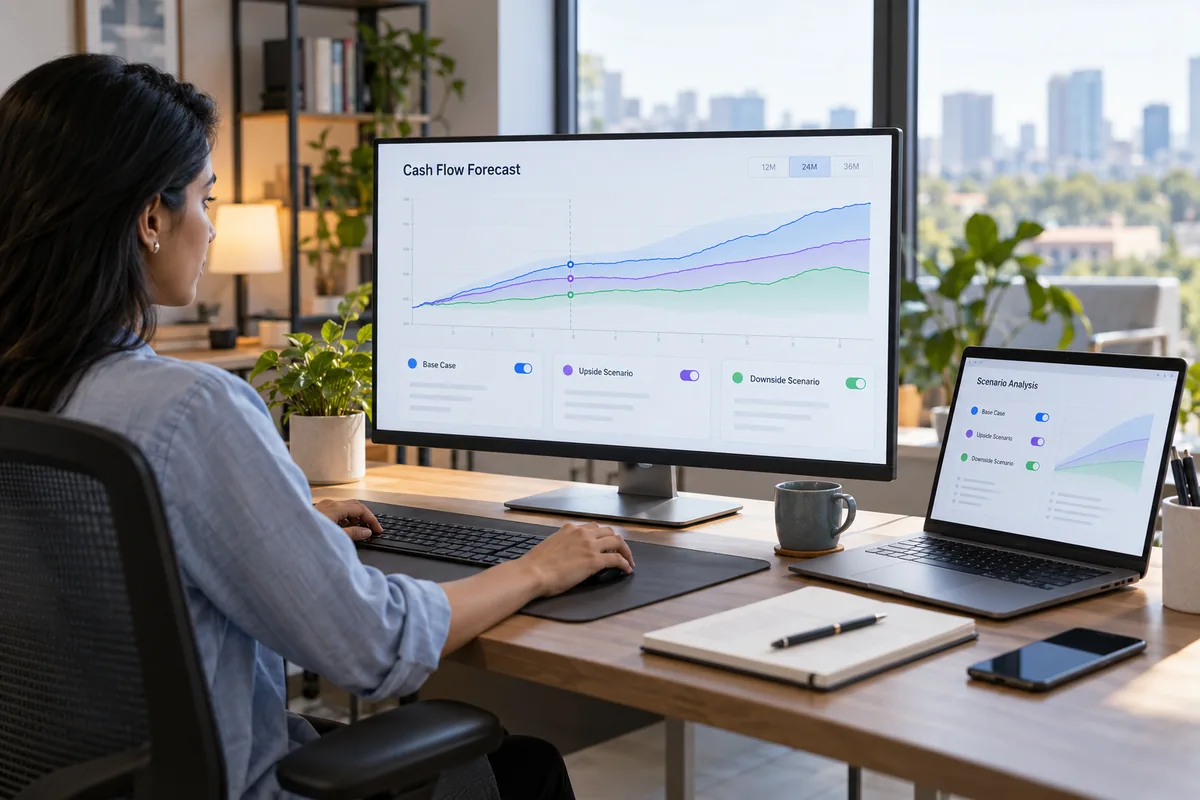
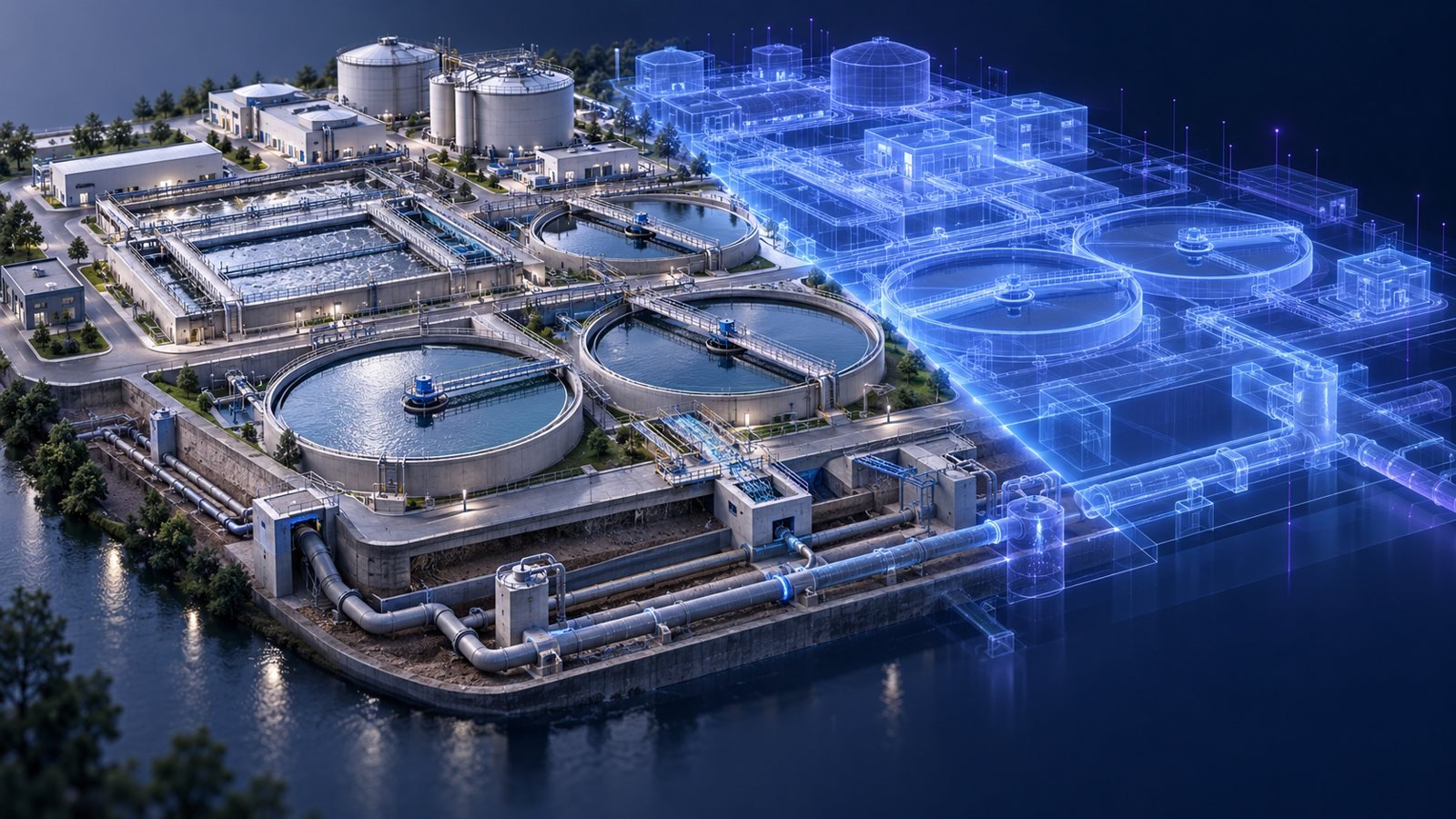
Connecting BIM and operational data
A digital twin starts with a useful operating question. Establish asset identifiers, information needs and validation before connecting models to sensor streams.
Digital Twin & SimulationView insight / eventASUTOS / Insights & Events
Perspectives on engineering, Digital Twin, smart operations and sustainable infrastructure.

A digital twin starts with a useful operating question. Establish asset identifiers, information needs and validation before connecting models to sensor streams.
Digital Twin & SimulationView insight / event

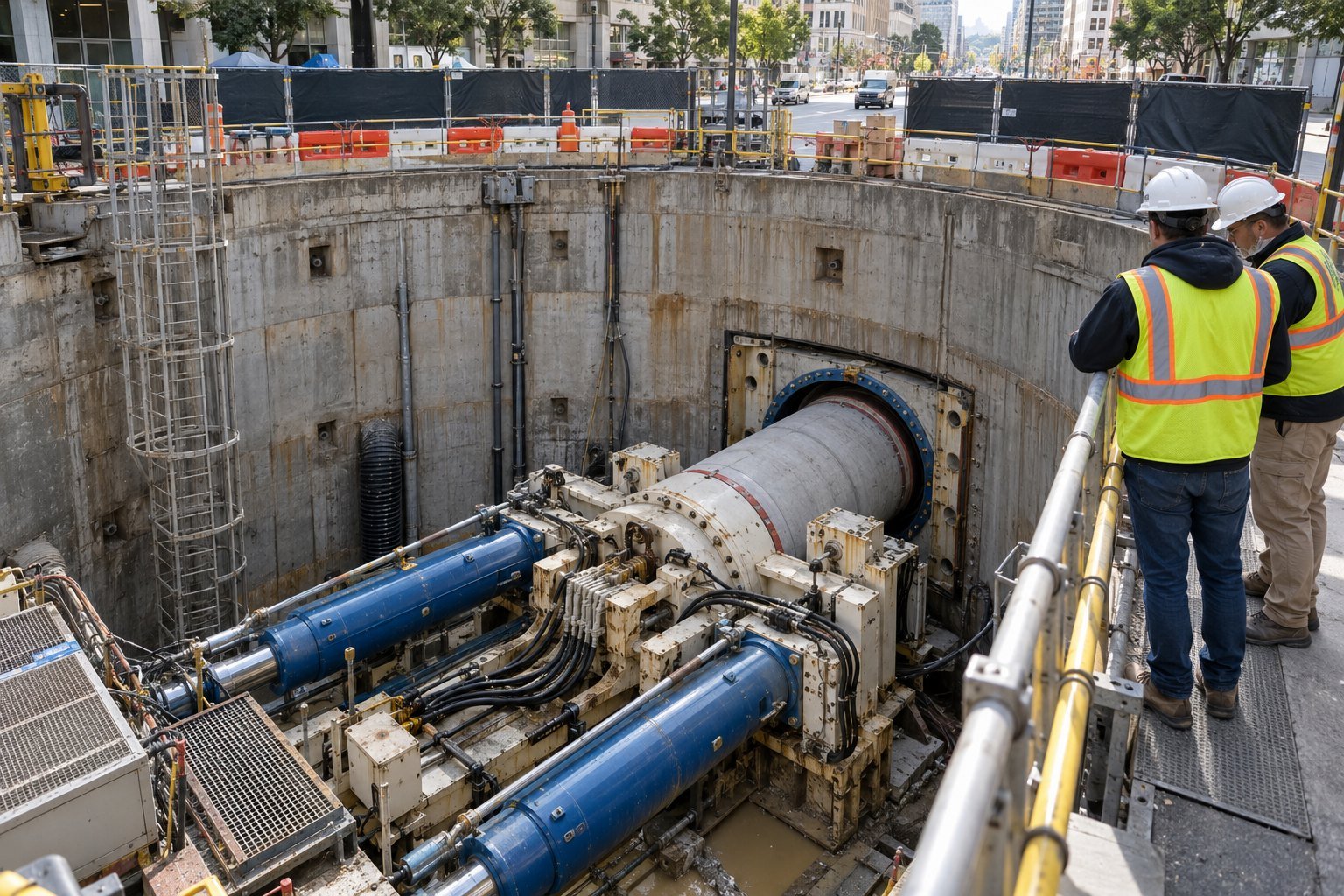
Sewer rehabilitation planning should connect condition records, service constraints and constructability. A documented assessment supports prioritization and design.
Construction & Trenchless InfrastructureView insight / event
Define the network boundary, time period and available measurement records. Useful monitoring explains an operating question and supports a documented response.
IoT & Smart InfrastructureView insight / event
Connect collection records, weighbridge data and processing records around consistent material definitions. Useful reporting follows the movement of materials.
Carbon, Resource Recovery & Waste-to-EnergyView insight / event
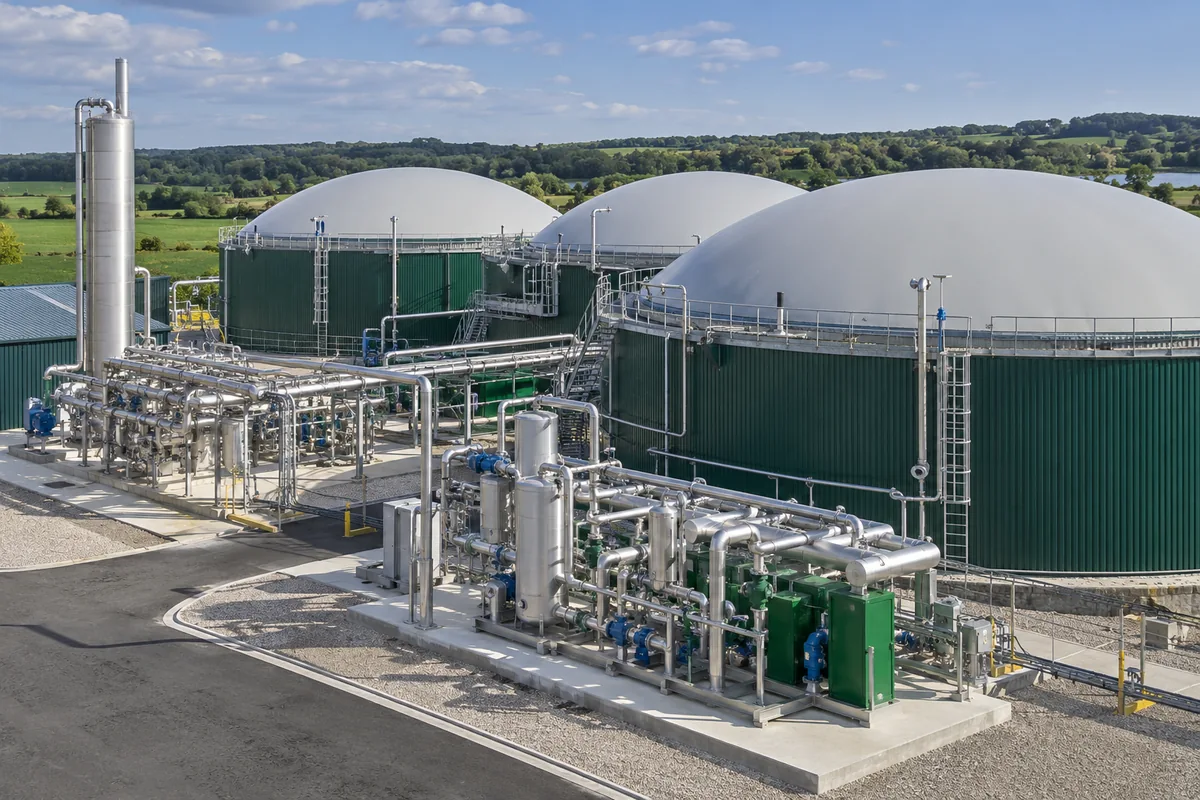
Start with feedstock quantity, composition and continuity. Process choices, utilities, gas use and site constraints need to be considered together.
Carbon, Resource Recovery & Waste-to-EnergyView insight / event
Choose bounded tasks with measurable outputs. Establish a baseline, test realistic inputs and keep human review for consequential decisions.
AI, Data & Intelligent SystemsView insight / event
Planned discussion of connected infrastructure, engineering models and asset information. Dates and registration details are not yet confirmed.
Digital Twin & SimulationView insight / event
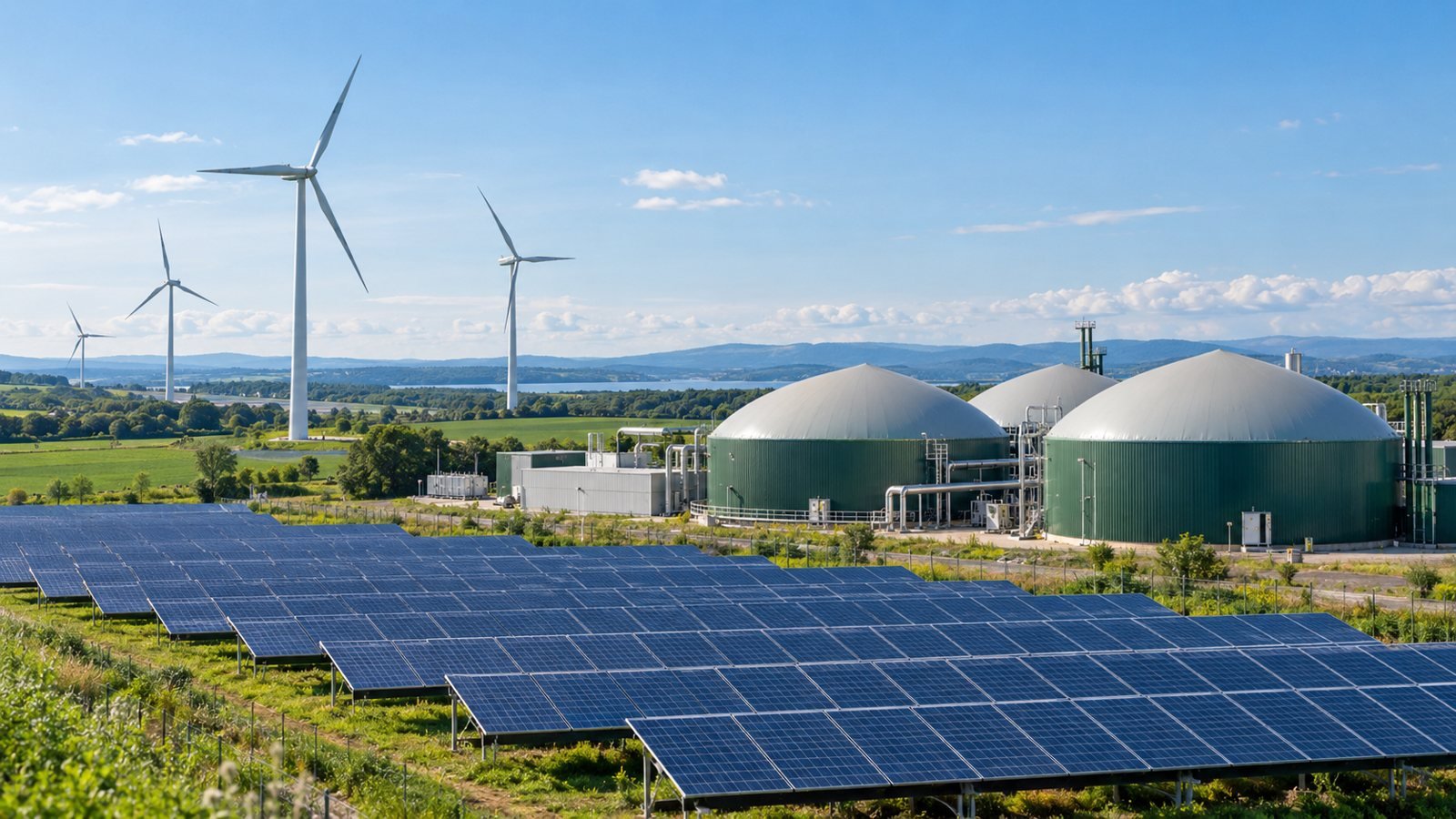
A useful design package explains how the asset will operate, be maintained and be changed.
Design & Digital EngineersView insight / event
Information requirements should follow the decisions a project team needs to make.
BIM & Digital ConstructionView insight / event
A shared map needs trustworthy asset data and a clear decision process.
GIS & Geospatial IntelligenceView insight / event
Choose a bounded use case before connecting models, telemetry and enterprise systems.
Digital Twin & SimulationView insight / event

Smart infrastructure needs an action workflow as well as instrumentation.
IoT & Smart InfrastructureView insight / event
An AI use case needs a measurable task, suitable data and a meaningful review point.
AI, Data & Intelligent SystemsView insight / event
Technology adoption works best when responsibilities and service needs are explicit.
Digital Transformation & Smart GovernanceView insight / event
Water infrastructure decisions need credible boundaries, measurements and operating records.
Water & Environmental EngineeringView insight / event
Automated finance workflows should preserve accountability at each important decision.
Digital Finance & Revenue TechnologyView insight / event
Condition evidence and site constraints should guide the intervention choice.
Construction & Trenchless InfrastructureView insight / event
A credible recovery project begins with a consistent feedstock assessment and product pathway.
Carbon, Resource Recovery & Waste-to-EnergyView insight / event
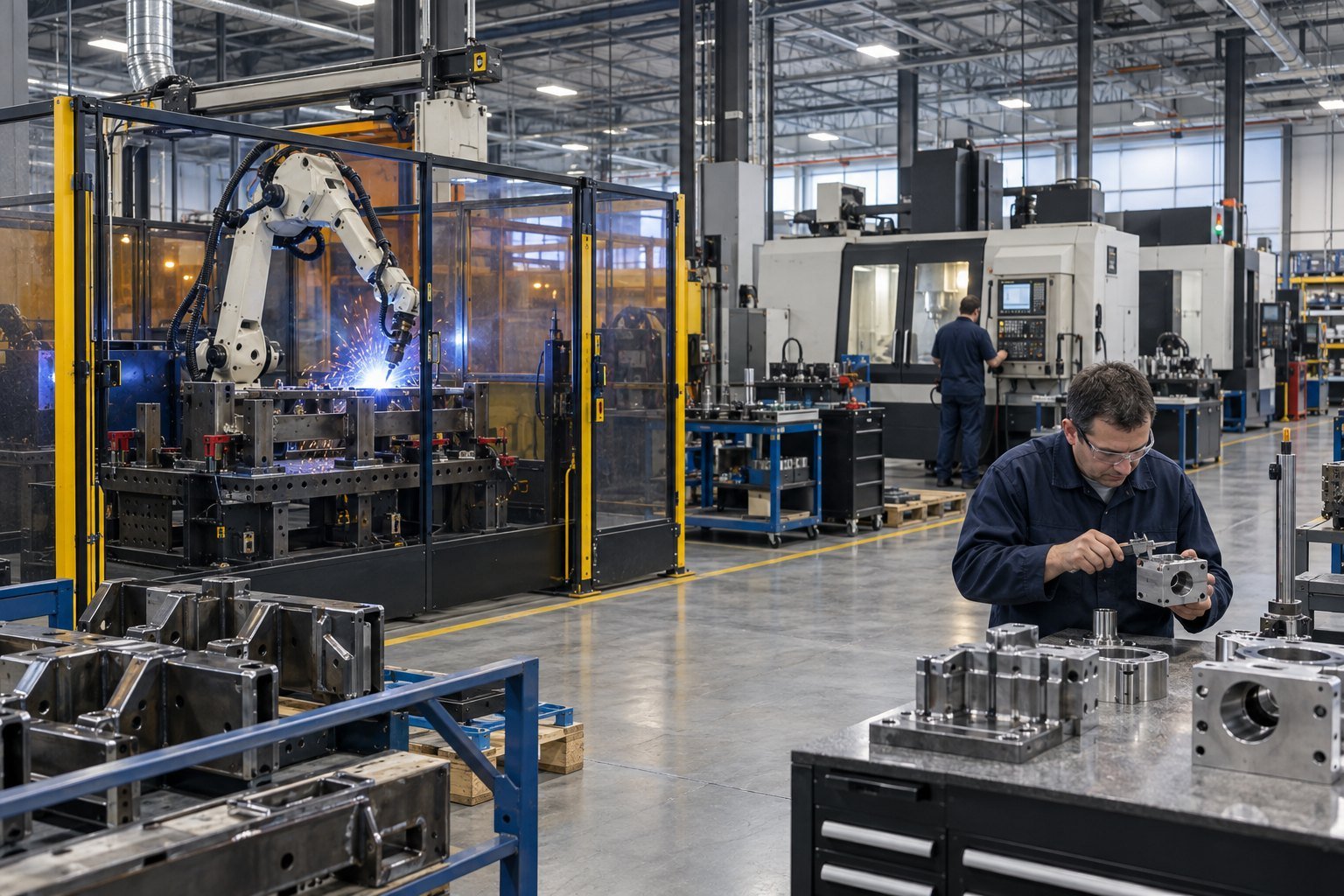
Equipment design and production information should support quality, repair and dependable operation.
Mechanical Fabrication & Advanced ManufacturingView insight / event
Design networks around service requirements, source availability and credible demand scenarios.
Water & Environmental EngineeringView insight / event
Connect a documented water balance with metering boundaries, field investigations and a practical leakage response plan.
Water & Environmental EngineeringView insight / event
Develop treatment systems from influent characterisation, discharge objectives and operating constraints.
Water & Environmental EngineeringView insight / event
Plan reuse around the intended application, water quality requirements and dependable operating arrangements.
Water & Environmental EngineeringView insight / event
Combine drainage engineering with landscape, catchment and maintenance requirements to manage runoff and support resilience.
Water & Environmental EngineeringView insight / event
Build a reliable evidence base for water use, environmental performance and corrective action.
Water & Environmental EngineeringView insight / event
Start by identifying the decision the engineering information must support: sizing, coordination, construction, operation or renewal. A model created for one purpose may lack the tolerances, attributes or ownership needed for another. Record the intended uses before selecting software.
Design & Digital EngineersView insight / event
BIM and GIS serve different scales and uses. Integration begins by agreeing which assets need to be represented, what attributes matter and how an asset identifier will persist between design, construction and operation. Converting geometry alone does not establish an asset registry.
BIM & Digital ConstructionView insight / event
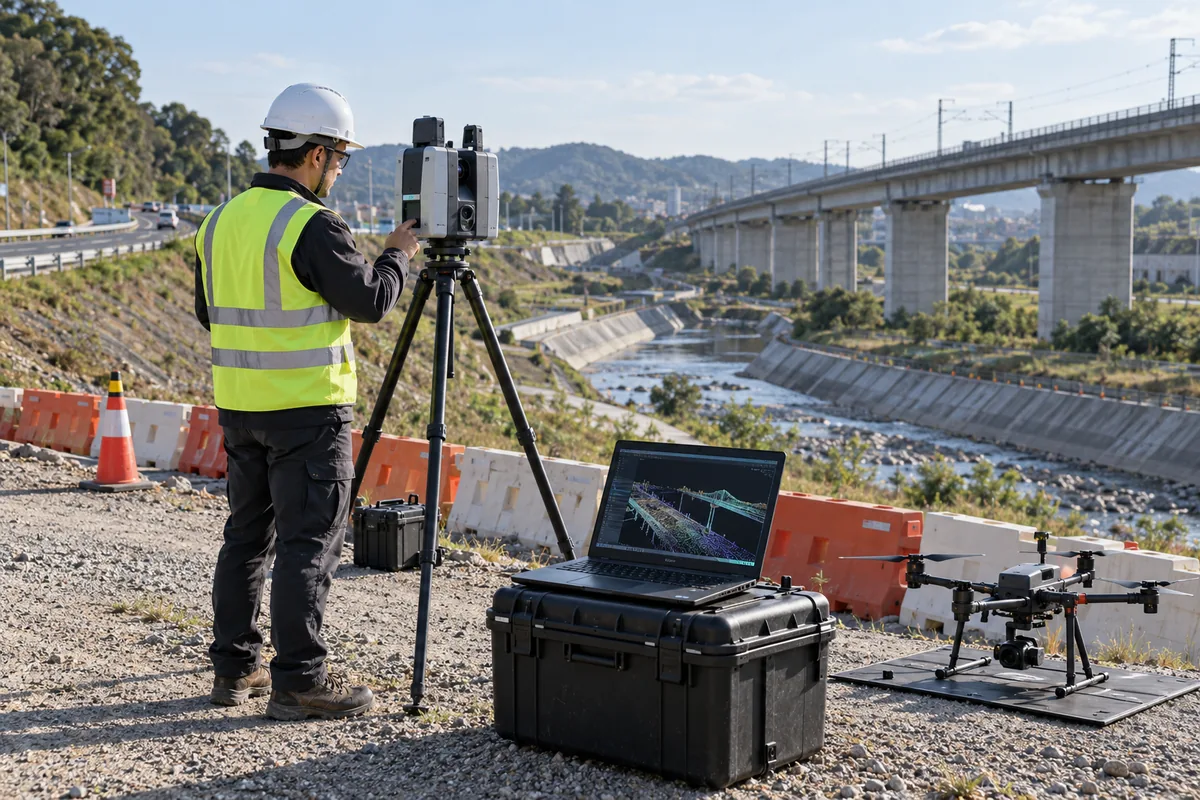
An asset map becomes operationally useful when location is connected to identity, condition and ownership. Before surveying, define the accuracy requirement, coordinate reference system, required attributes and evidence needed to distinguish observed assets from inferred routes.
GIS & Geospatial IntelligenceView insight / event
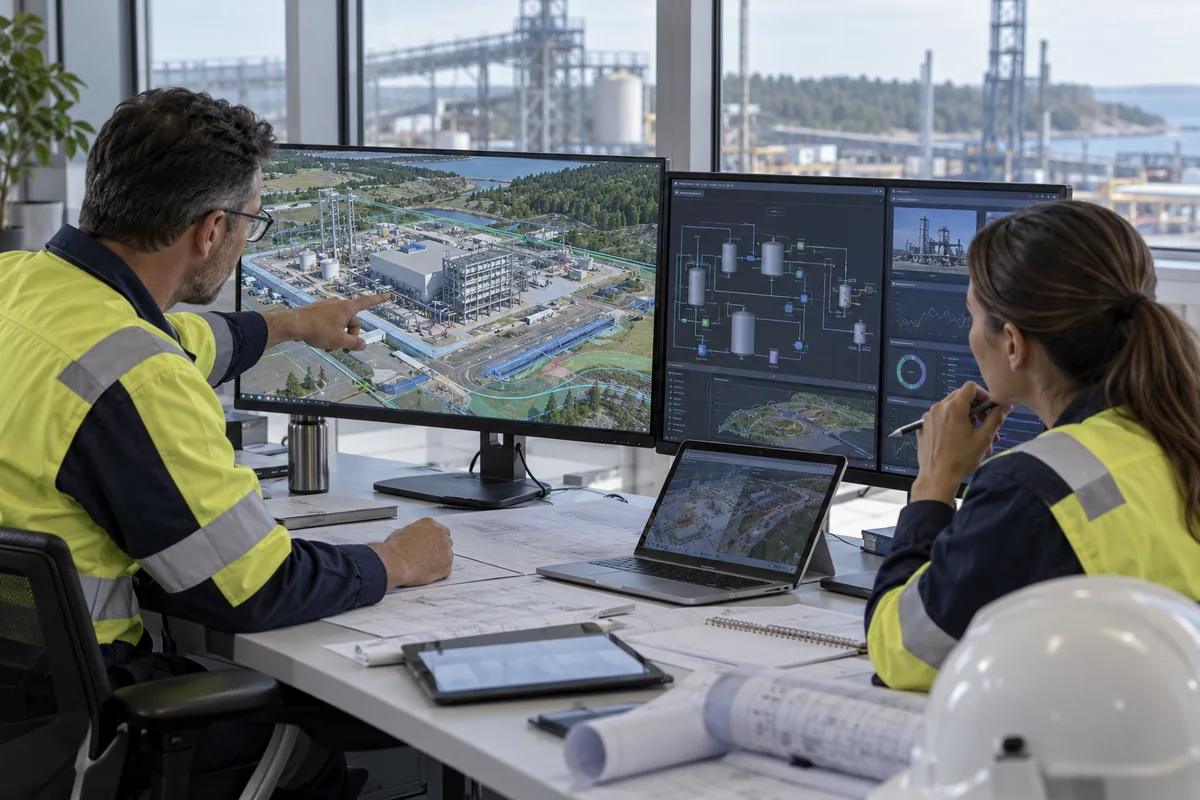
A water utility Digital Twin should start with a specific operating question. Examples include comparing demand scenarios, identifying data gaps or planning renewal. Define the system boundary and distinguish physical asset records, hydraulic assumptions, sensor observations and operational decisions.
Digital Twin & SimulationView insight / event
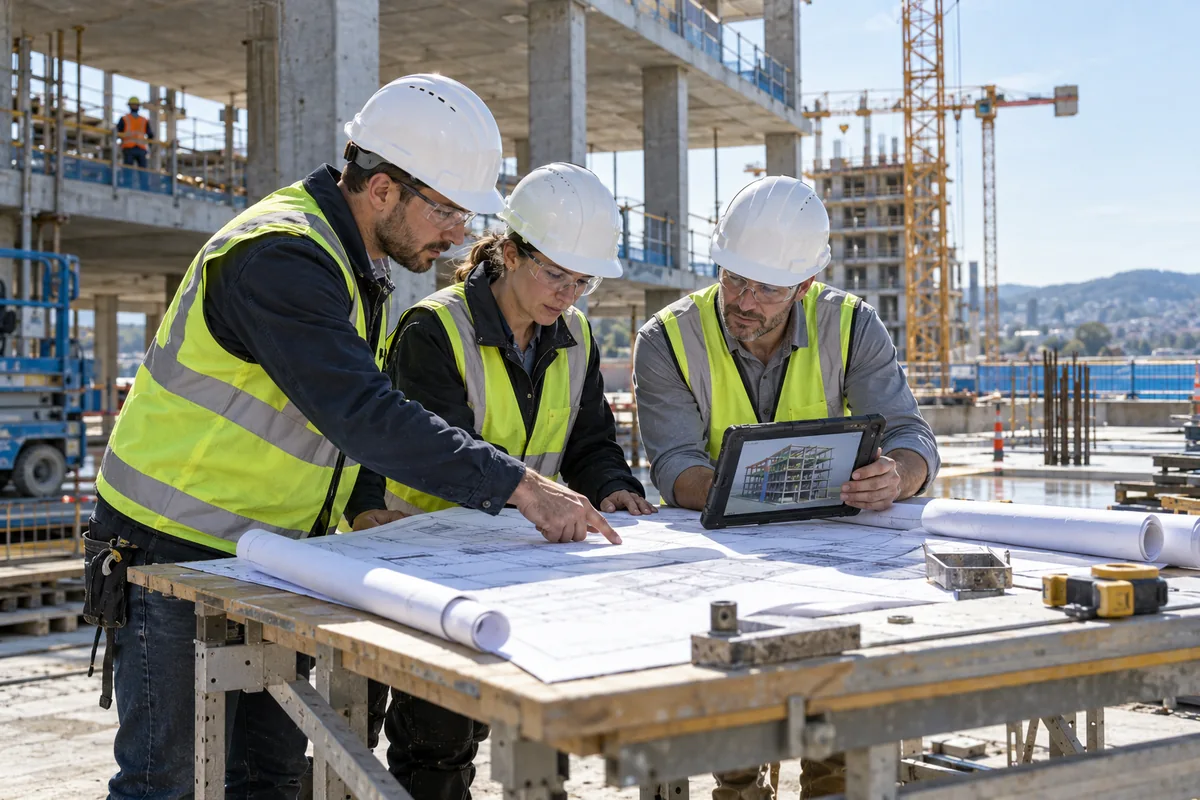
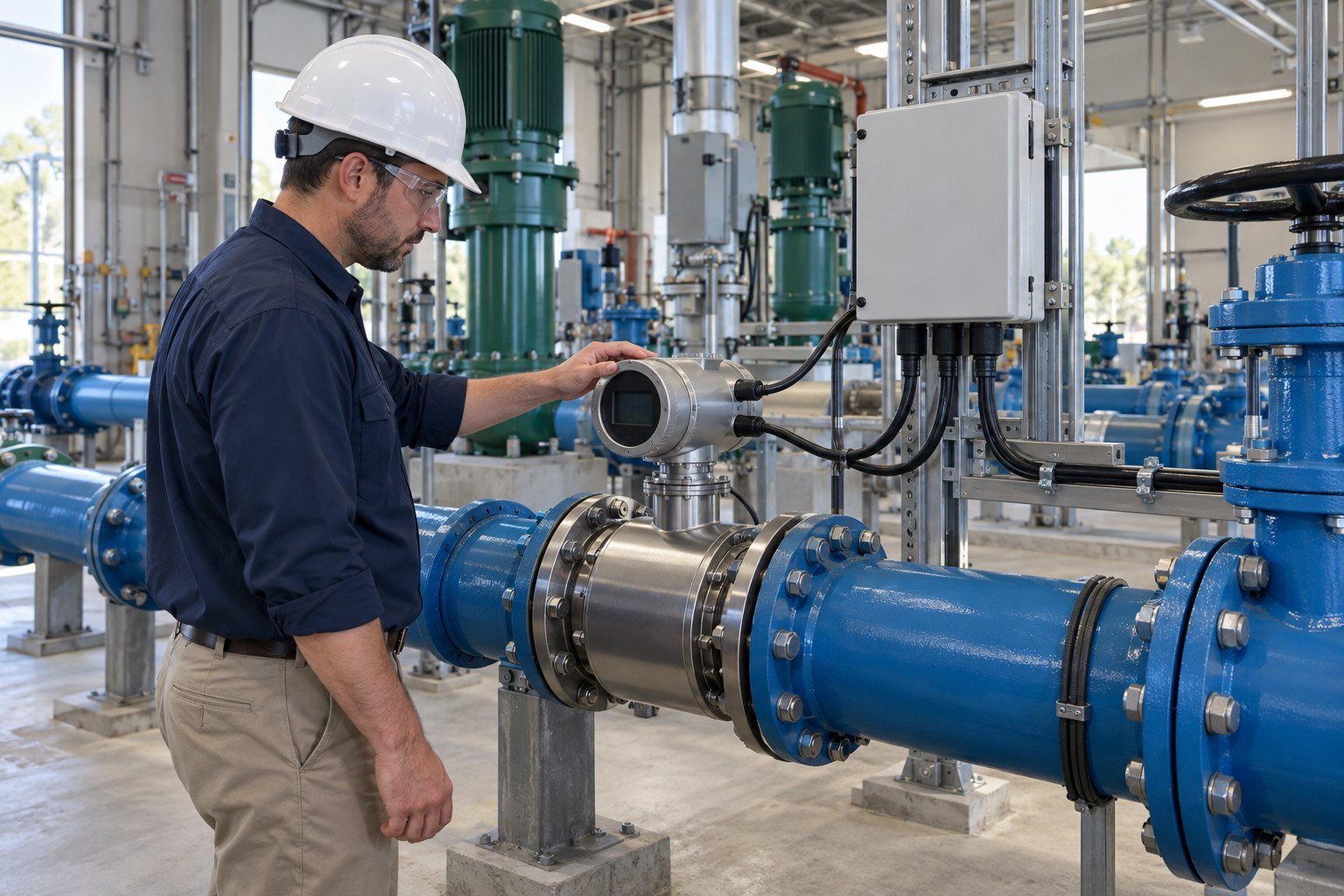
An IoT project starts with the measurement and operating requirement. Select pressure, flow, level or quality observations according to the decision they support. Agree installation constraints, reading intervals, calibration responsibilities and acceptance checks before selecting a communication method.
IoT & Smart InfrastructureView insight / event
Choose an engineering task with a defined input, output and review owner before adopting AI. Document summarisation, retrieval and draft preparation can help teams find information, but generated text must remain distinguishable from accepted engineering evidence.
AI, Data & Intelligent SystemsView insight / event
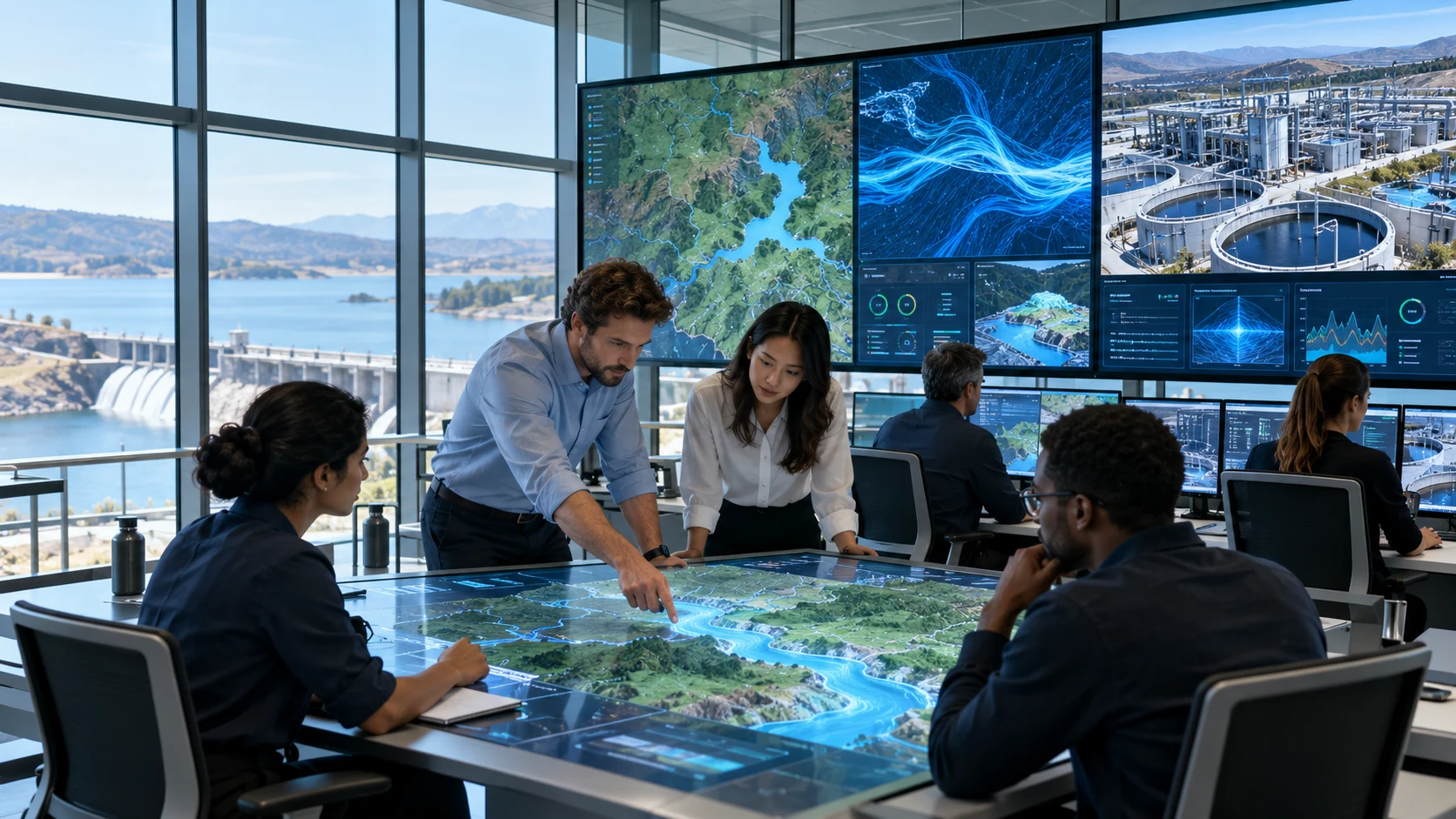
A smart city strategy should connect proposed technology to a service problem and an accountable department. Define the citizens or operators who will use the result and the decision they need to make. A command centre is an interface, while operating ownership and reliable data determine whether the service can be sustained.
Digital Transformation & Smart GovernanceView insight / event
Establish the reporting period and consistent boundaries for system input and billed authorised consumption before calculating NRW. A single percentage does not separate physical leakage, meter inaccuracies and billing issues. Review source records, meter confidence and data timing before comparing locations or periods.
Water & Environmental EngineeringView insight / event
Begin with the revenue workflow: customer identity, service delivery, charge calculation, invoice, collection and reconciliation. Identify where information is duplicated or manually re-entered and establish the accountable owner for each stage. Avoid treating a dashboard total as a reconciled financial record.
Digital Finance & Revenue TechnologyView insight / event
Rehabilitation planning starts with the asset condition, service constraints and access available for investigation. Gather records and inspect the relevant sections before selecting an intervention. Define what defects, dimensions, connectivity and operating conditions must be confirmed.
Construction & Trenchless InfrastructureView insight / event
A resource recovery study should begin with the available material, its variability and the existing collection and disposal system. Record quantity, composition, moisture and contamination evidence and identify how representative the sampling is. A single assumed yield cannot establish project feasibility.
Carbon, Resource Recovery & Waste-to-EnergyView insight / event
Translate the equipment requirement into a controlled design basis before fabrication. Identify operating conditions, interfaces, material requirements, inspection points and the documentation needed for installation and maintenance. Confirm who can approve deviations from the accepted drawing or specification.
Mechanical Fabrication & Advanced ManufacturingView insight / event