ReCatalyx
ReCatalyx SludgeEnergy
Sludge, biosolids and fecal sludge
- Brand
- ReCatalyx
- Discipline
- Carbon, Resource Recovery & Waste-to-Energy
- Markets
- Environment · Industry · Resources & Waste · Water & Utilities
- Development status
- Product concept
Overview
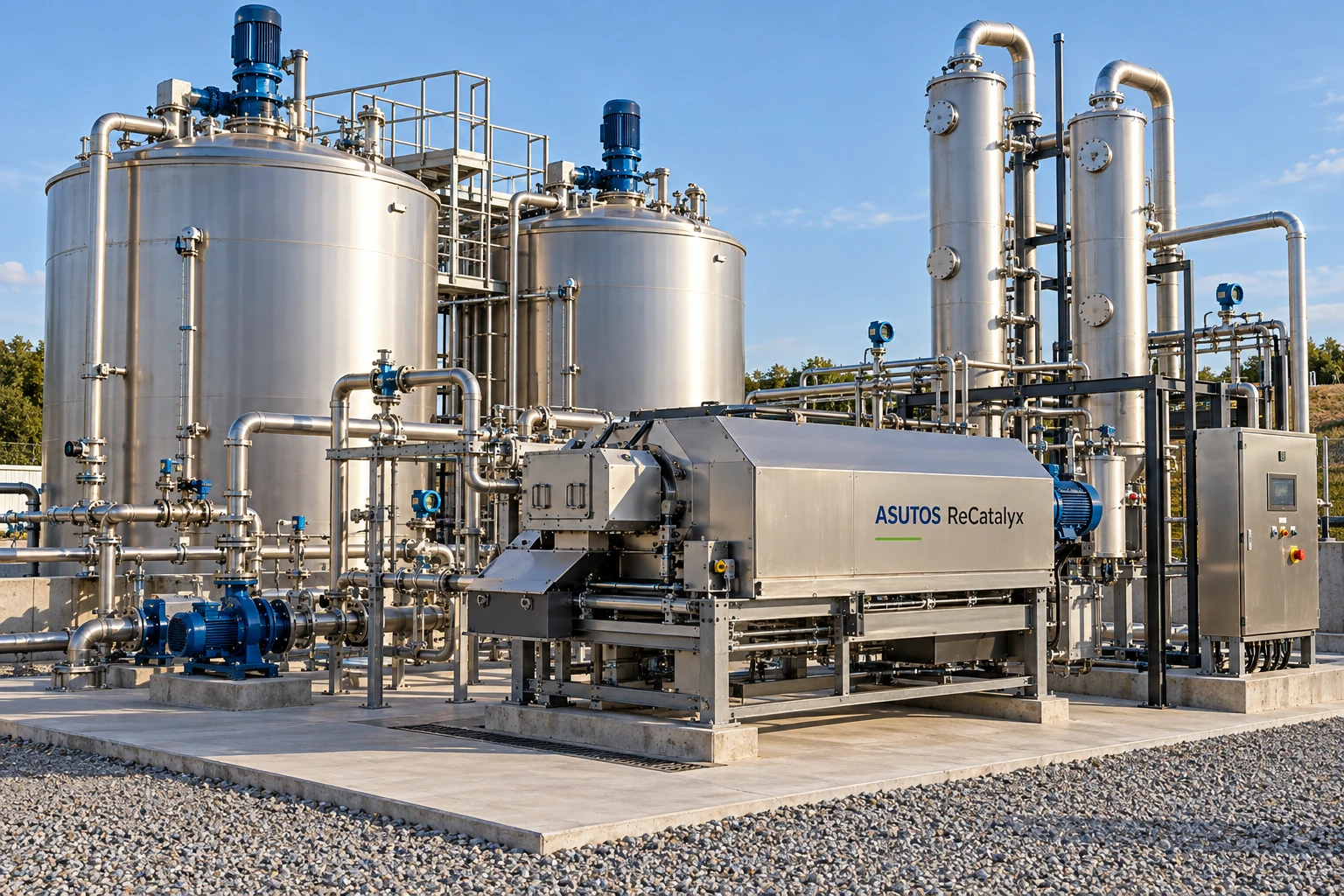
A sludge-to-energy integration package selecting a suitable biological or thermal route after sludge trials. Digestible feed may support BioDigest and BioCHP or RNGPure; wet feed may enter licensed HydroCrude; qualified dried feed may support BioChar or Gasify. Dedicated sludge incineration is a separately permitted option. Do not combine all routes or promise net energy from every sludge.
Product capabilities
- Common reception, screening, thickening and dewatering
- selected digester or licensed thermal conversion island
- necessary dryer and heat recovery
- gas conditioning
- qualified generator or fuel outlet
- emissions control
Feedstock and input
Characterized municipal biosolids or separately assessed industrial sludge; measure moisture, volatile solids, heating value, ash, salts and contaminants.
Core components
- Common reception, screening, thickening and dewatering
- selected digester or licensed thermal conversion island
- necessary dryer and heat recovery
- gas conditioning
- qualified generator or fuel outlet
- emissions control
- ash, char and aqueous residue handling
- metering
- relief and shutdown controls
Process
Characterize feed; compare routes; select one duty; convert; recover useful energy; measure auxiliaries and manage every residual stream.
Design basis
Compare full water and heat balances, drying energy, gas or oil quality, fouling, corrosion, contaminants and outlet economics. Quantify net exported energy rather than reactor output alone.
IoT measurements
Dry-solids throughput, moisture, imported heat and power, recovered energy, emissions and residue tests.
IoT architecture
Local PLC/HMI, buffered historian and secure gateway; remote alarms and reports. Cloud loss does not stop local control. See common architecture and acceptance tests.
Future capability
Reconcile mass and net-energy balances and flag feed changes; licensed operating and safety controls stay independent.
Typical applications
U.S. wastewater resource recovery facilities and residuals hubs; global sludge projects with dependable feed, energy demand and legal residue outlets.
Pilot validation
Witness sustained trials on actual sludge, net energy, emissions, product quality and residue fate; verify no unsupported contaminant destruction claims.
Problem and deployment scope
Sludge, biosolids and fecal sludge
How it works
- Common reception, screening, thickening and dewatering
- selected digester or licensed thermal conversion island
- necessary dryer and heat recovery
- gas conditioning
- qualified generator or fuel outlet
- emissions control
Architecture
Confirm data sources, field interfaces and operating requirements during discovery. Integration compatibility is reviewed for each deployment.
Integrations
Interface availability and supported protocols require product-specific confirmation.
Deployment
Scope, installation, security, acceptance criteria and training are agreed with the project team.
Use cases
U.S. wastewater resource recovery facilities and residuals hubs; global sludge projects with dependable feed, energy demand and legal residue outlets.
Documentation
This page describes the published product concept. Validated drawings, datasheets, compatibility and deployment documentation are supplied following technical review.