ReCatalyx
ReCatalyx PolyRenew
Thermal conversion and syngas
- Brand
- ReCatalyx
- Discipline
- Carbon, Resource Recovery & Waste-to-Energy
- Markets
- Environment · Industry · Resources & Waste · Water & Utilities
- Development status
- Product concept
Overview
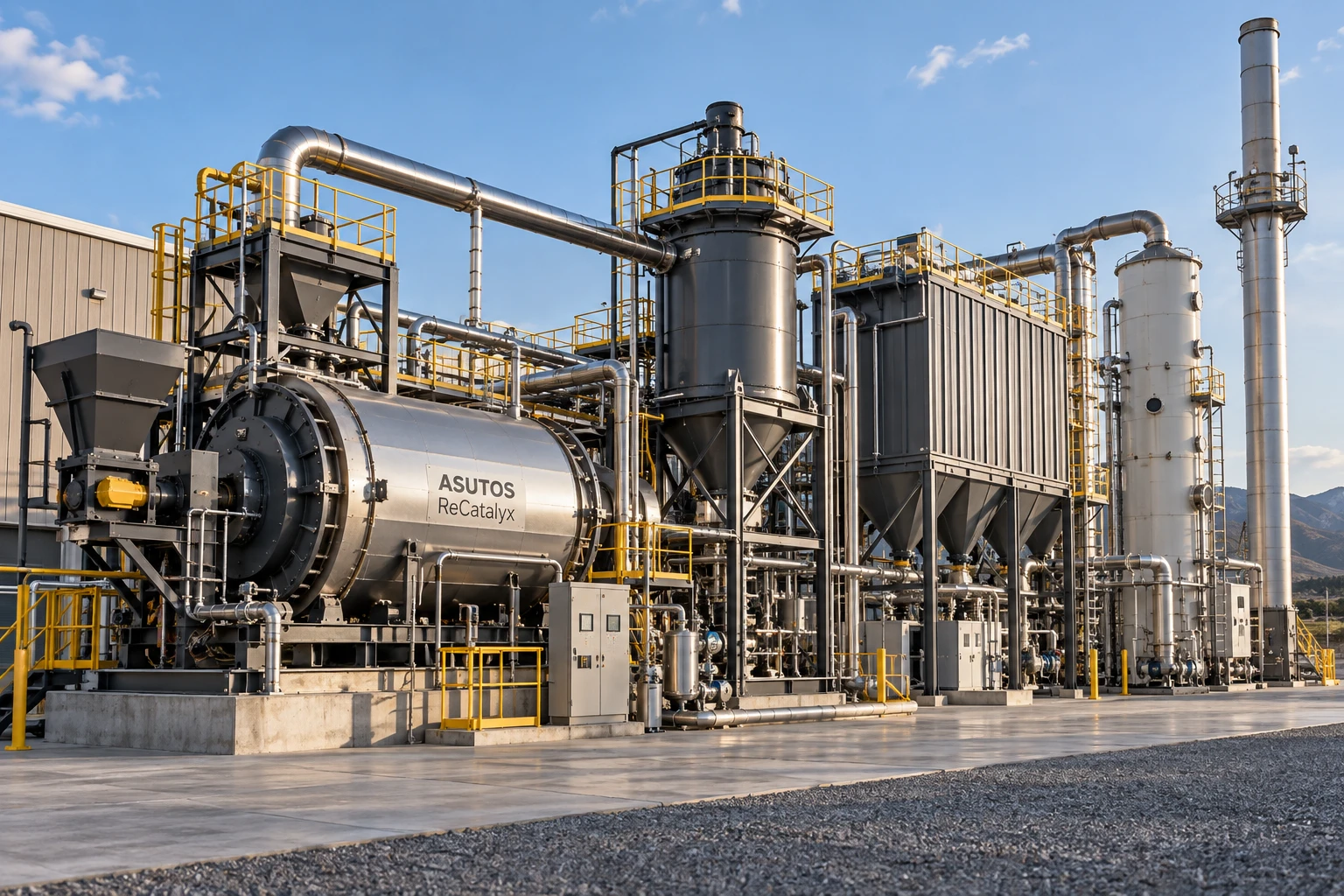
A plastics pyrolysis development package converting selected difficult to mechanically recycle polymers into an intermediate hydrocarbon stream. Front end sorting and product upgrading are integral. The liquid is a refinery or chemical feedstock subject to buyer acceptance, rather than automatically a vehicle fuel or a renewable biofuel.
Product capabilities
- Sorting and sampling line
- metal removal
- shredder
- drying where necessary
- sealed feeder
- reactor
Feedstock and input
Characterized polymer rich residues after recoverable materials are separated. PVC, halogens, metals and additives need strict limits.
Core components
- Sorting and sampling line
- metal removal
- shredder
- drying where necessary
- sealed feeder
- reactor
- condensers
- gas liquid separation
- oil tank and containment
- noncondensable gas management
- char handling
- emission control
- laboratory and shutdown controls
Process
Sort and prepare plastics; thermally convert; condense and separate products; test and upgrade as required; manage residues.
Design basis
Conduct feed trials and buyer qualification. Determine oil chlorine, stability and contaminants; validate availability and net energy.
IoT measurements
Feed batch composition, reactor conditions, oil and gas yields and emissions; link buyer oil qualification.
IoT architecture
Local PLC/HMI, buffered historian and secure gateway; remote alarms and reports. Cloud loss does not stop local control. See common architecture and acceptance tests.
Future capability
Screen feed composition and identify batch deviations; operators approve recipe changes.
Typical applications
U.S. recyclers and petrochemical offtakers; selected global plastic residue streams with secured product buyers.
Pilot validation
Reconcile every output, obtain buyer product acceptance and test emissions, residue classification and sustained operating availability.
Problem and deployment scope
Thermal conversion and syngas
How it works
- Sorting and sampling line
- metal removal
- shredder
- drying where necessary
- sealed feeder
- reactor
Architecture
Confirm data sources, field interfaces and operating requirements during discovery. Integration compatibility is reviewed for each deployment.
Integrations
Interface availability and supported protocols require product-specific confirmation.
Deployment
Scope, installation, security, acceptance criteria and training are agreed with the project team.
Use cases
U.S. recyclers and petrochemical offtakers; selected global plastic residue streams with secured product buyers.
Documentation
This page describes the published product concept. Validated drawings, datasheets, compatibility and deployment documentation are supplied following technical review.