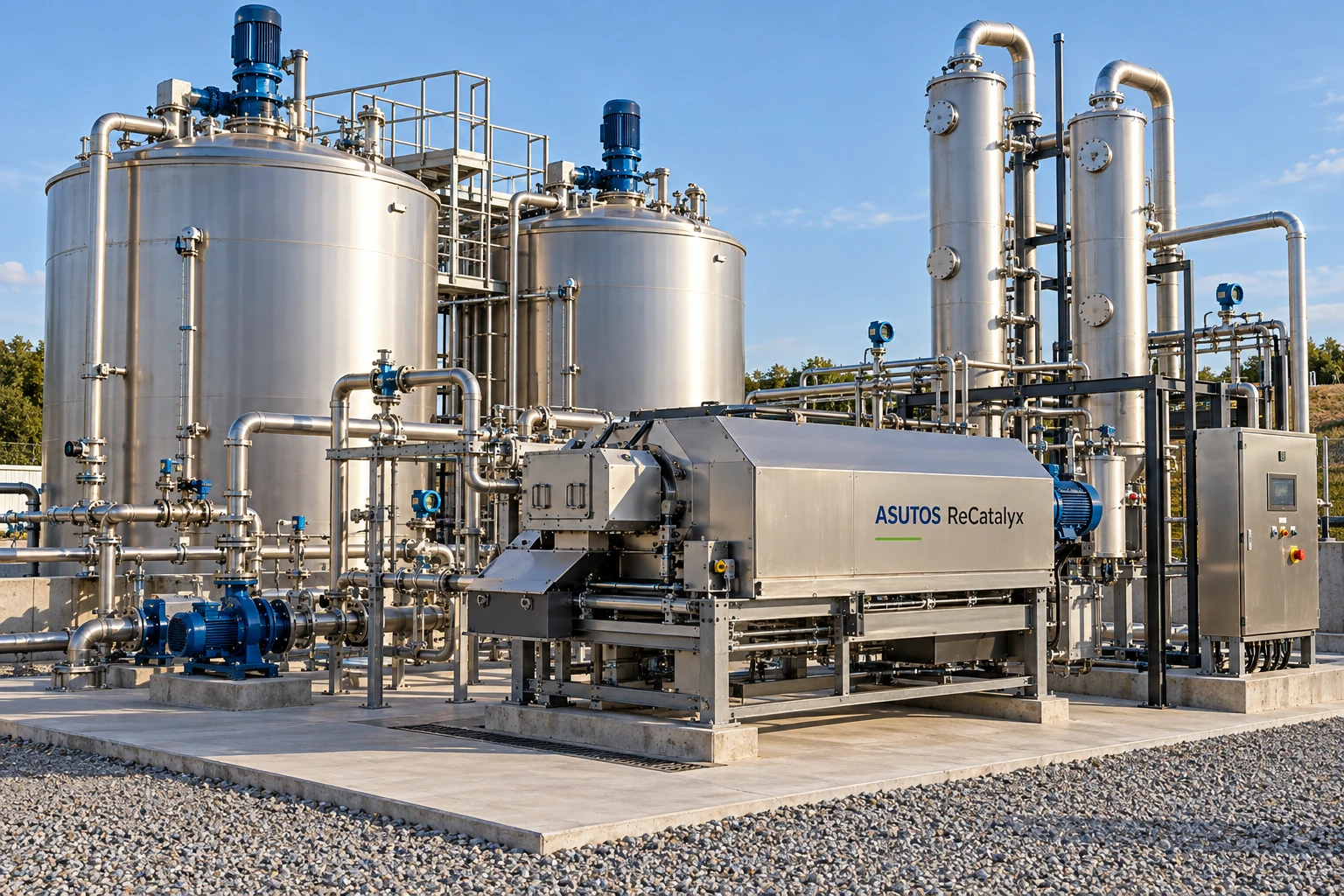
ReCatalyx
ReCatalyx Methanol
Hydrogen and power to fuels
- Brand
- ReCatalyx
- Discipline
- Carbon, Resource Recovery & Waste-to-Energy
- Markets
- Environment · Industry · Resources & Waste · Water & Utilities
- Development status
- Product concept
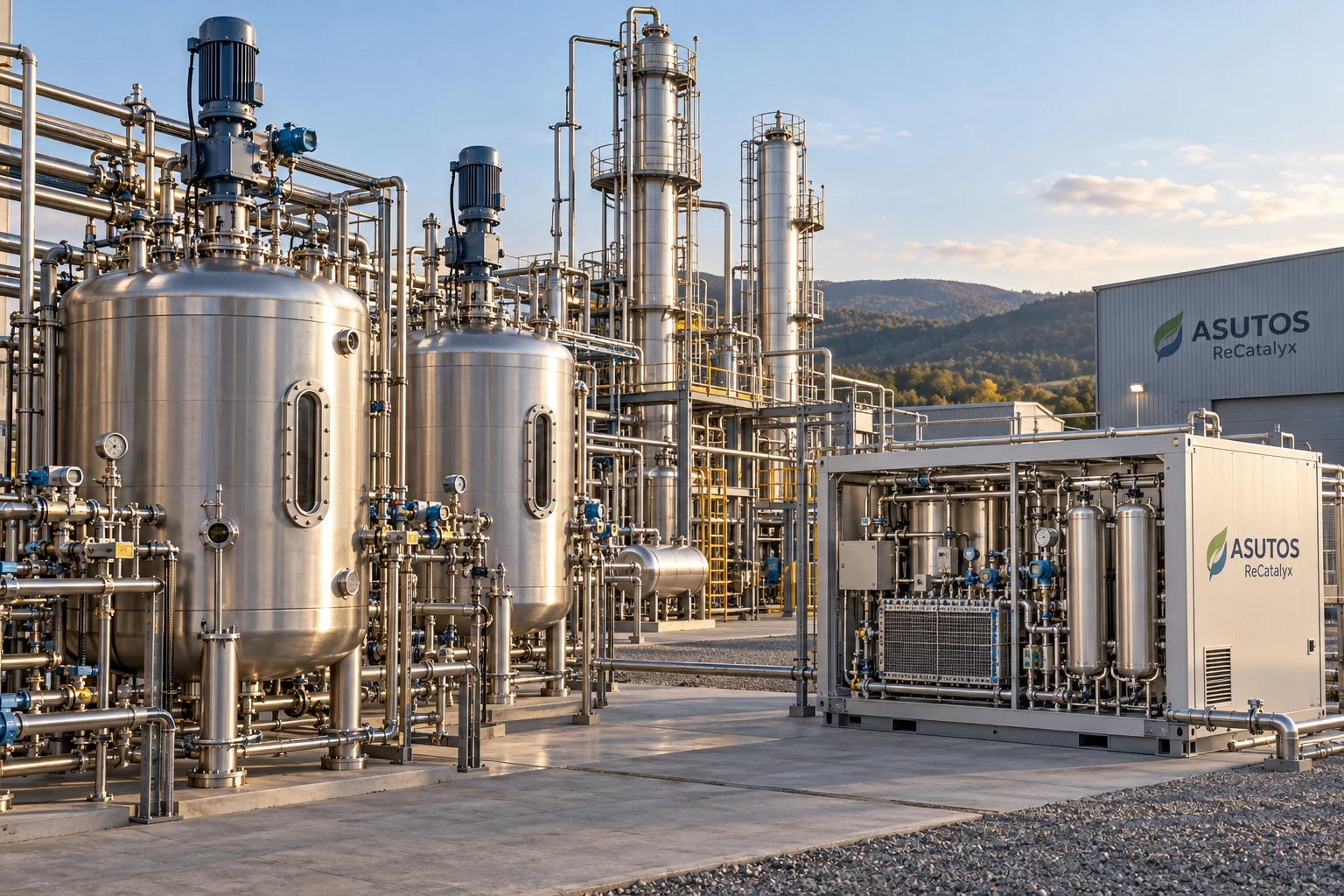
Overview
A renewable methanol project integration package with two separately engineered routes: conditioned biomass syngas or captured CO2 with eligible hydrogen. A licensed synthesis island and product separation are essential. The eMethanol variant depends on renewable electricity and carbon accounting; it is not a simple electrolyzer accessory.
Product capabilities
- Gas conditioning
- ratio adjustment
- compression
- licensed catalytic synthesis reactor
- recycle loop
- heat recovery
Feedstock and input
Qualified biomass syngas, or suitable captured CO2 plus qualified hydrogen for the eMethanol variant.
Core components
- Gas conditioning
- ratio adjustment
- compression
- licensed catalytic synthesis reactor
- recycle loop
- heat recovery
- methanol distillation
- storage
- quality testing
- relief and fire systems
- water and utility connections
Process
Condition synthesis feed; react with recycle; separate crude methanol; distill and test; deliver qualified product.
Design basis
Evaluate feed sourcing, licensor performance, power and hydrogen costs, CO2 purity, market specification and lifecycle emissions.
IoT measurements
Gas composition and ratio, synthesis temperature and pressure, recycle and product quality.
IoT architecture
Local PLC/HMI, buffered historian and secure gateway; remote alarms and reports. Cloud loss does not stop local control. See common architecture and acceptance tests.
Future capability
Evaluate feed and power scenarios and flag synthesis performance changes for engineering review.
Typical applications
U.S. marine fuel and chemical suppliers; global ports and industrial markets with secured fuel offtake.
Pilot validation
Validate synthesis feed and product specifications, catalyst life assumptions, net energy and lifecycle boundary.
Problem and deployment scope
Hydrogen and power to fuels
How it works
- Gas conditioning
- ratio adjustment
- compression
- licensed catalytic synthesis reactor
- recycle loop
- heat recovery
Architecture
Confirm data sources, field interfaces and operating requirements during discovery. Integration compatibility is reviewed for each deployment.
Integrations
Interface availability and supported protocols require product-specific confirmation.
Deployment
Scope, installation, security, acceptance criteria and training are agreed with the project team.
Use cases
U.S. marine fuel and chemical suppliers; global ports and industrial markets with secured fuel offtake.
Documentation
This page describes the published product concept. Validated drawings, datasheets, compatibility and deployment documentation are supplied following technical review.