ReCatalyx
ReCatalyx JetFuel
Renewable fuels and ethanol
- Brand
- ReCatalyx
- Discipline
- Carbon, Resource Recovery & Waste-to-Energy
- Markets
- Environment · Industry · Resources & Waste · Water & Utilities
- Development status
- Product concept
Overview
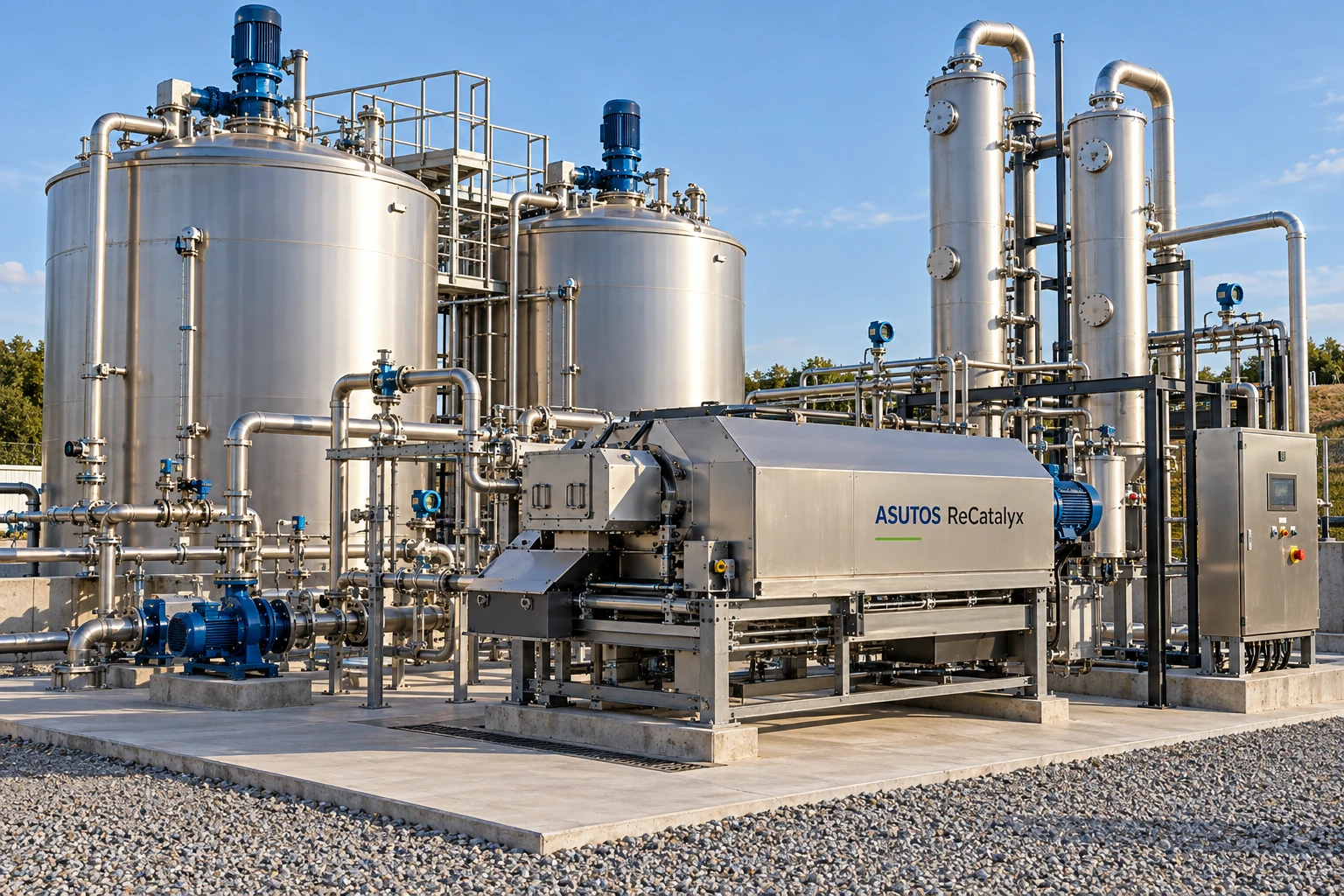
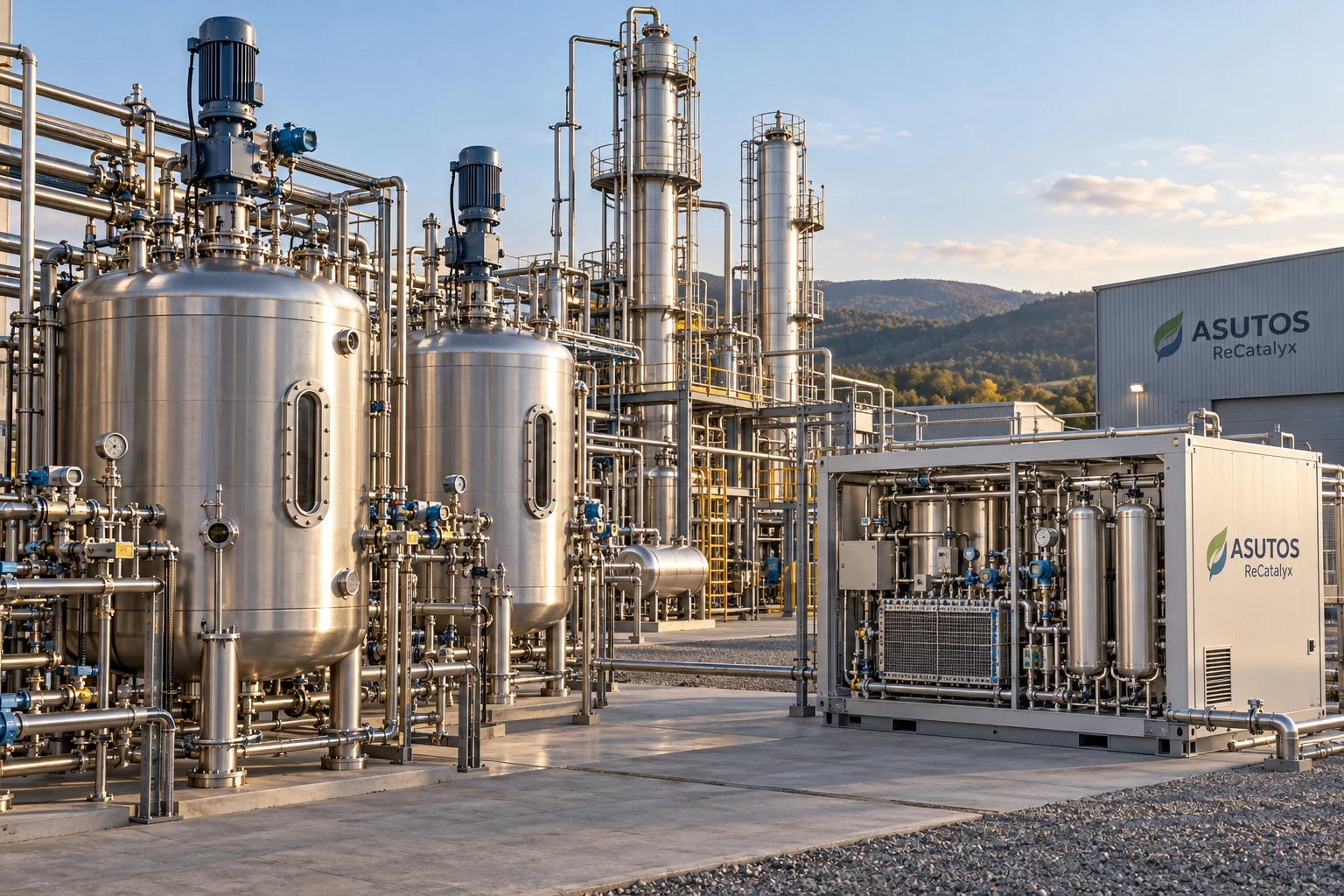
A licensed alcohol to jet integration package using eligible ethanol to make a synthetic aviation blending component. It would join a qualified conversion process with hydrogen, utilities and quality systems. Aviation fuel use follows the applicable approved pathway, blending limits, testing and recertification rather than a generic renewable fuel claim.
Product capabilities
- Ethanol handling
- dehydration reactor
- oligomerization and hydrogenation sections as licensed
- hydrogen conditioning
- distillation and fractionation
- product storage
Feedstock and input
Qualified ethanol and hydrogen with documented sourcing and sustainability attributes.
Core components
- Ethanol handling
- dehydration reactor
- oligomerization and hydrogenation sections as licensed
- hydrogen conditioning
- distillation and fractionation
- product storage
- blending interface
- laboratory
- fire controls
- utility and wastewater systems
Process
Qualify ethanol; convert through licensed steps; separate fuel fractions; certify blending component and blended fuel as applicable.
Design basis
Establish licensor guarantees, hydrogen duty, carbon intensity, fuel qualification and long term buyer requirements.
IoT measurements
Qualified ethanol feed, licensed process conditions and batch traceability; record accredited fuel release results.
IoT architecture
Local PLC/HMI, buffered historian and secure gateway; remote alarms and reports. Cloud loss does not stop local control. See common architecture and acceptance tests.
Future capability
Track feed quality and process deviations and preserve batch and sustainability evidence.
Typical applications
U.S. fuel developers, aviation fuel suppliers and airport supply chains; global SAF projects with eligible feed and offtake.
Pilot validation
Verify approved pathway testing and final fuel qualification, traceable feedstocks, energy use and accepted off specification handling.
Problem and deployment scope
Renewable fuels and ethanol
How it works
- Ethanol handling
- dehydration reactor
- oligomerization and hydrogenation sections as licensed
- hydrogen conditioning
- distillation and fractionation
- product storage
Architecture
Confirm data sources, field interfaces and operating requirements during discovery. Integration compatibility is reviewed for each deployment.
Integrations
Interface availability and supported protocols require product-specific confirmation.
Deployment
Scope, installation, security, acceptance criteria and training are agreed with the project team.
Use cases
U.S. fuel developers, aviation fuel suppliers and airport supply chains; global SAF projects with eligible feed and offtake.
Documentation
This page describes the published product concept. Validated drawings, datasheets, compatibility and deployment documentation are supplied following technical review.