
ReCatalyx
ReCatalyx FecalFlow
Sludge, biosolids and fecal sludge
- Brand
- ReCatalyx
- Discipline
- Carbon, Resource Recovery & Waste-to-Energy
- Markets
- Environment · Industry · Resources & Waste · Water & Utilities
- Development status
- Product concept
Overview
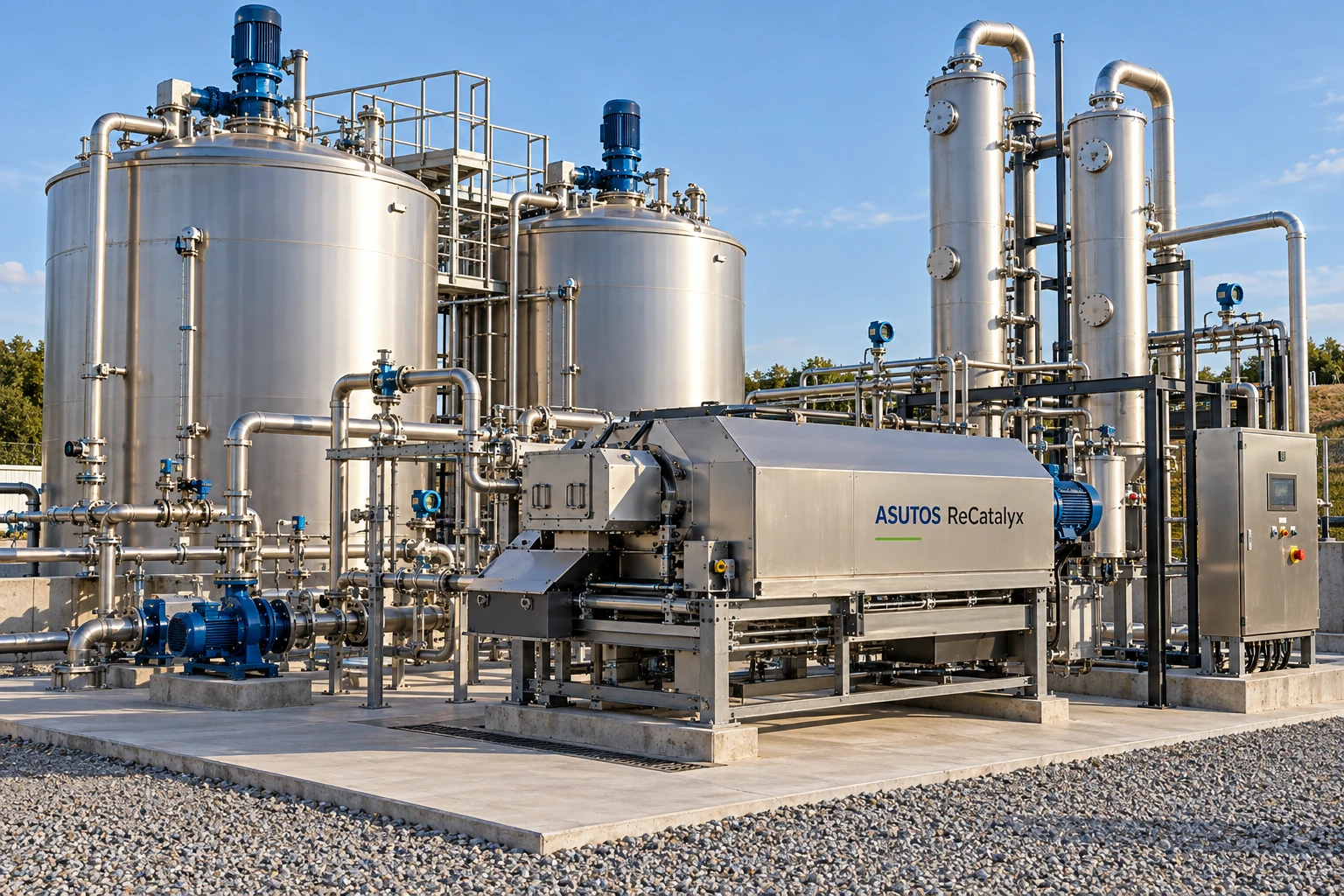
A fecal sludge and domestic septage treatment package linking safe tanker reception, solids treatment and liquid polishing. It serves decentralized sanitation systems where material comes from septic tanks, pits or similar approved sources. Feed variability and pathogens require controlled acceptance; a liquid treatment train alone does not make separated solids safe.
Product capabilities
- Tanker manifest and weigh interface
- sealed unloading connection
- spill containment
- trash screen
- grit trap
- equalization tank
Feedstock and input
Characterized domestic septage or fecal sludge from authorized collection routes; exclude or separately assess hazardous, industrial and incompatible chemical loads.
Core components
- Tanker manifest and weigh interface
- sealed unloading connection
- spill containment
- trash screen
- grit trap
- equalization tank
- mixer and pumps
- solids separation
- selected biological liquid treatment
- filtration or disinfection as required
- solids stabilization
- odor control
- wash area and sampling
Process
Verify source; unload safely; remove trash and grit; balance flow; separate and treat solids; treat liquid; test and document each outlet.
Design basis
Survey collection volumes and seasonal peaks; quantify sand, trash, salinity and loading. Confirm receiving permits, pathogen targets, safe worker access and liquid discharge or reuse requirements.
IoT measurements
Receipt and batch loading, screen and grit status, levels, odor controls, liquid quality and hygiene records.
IoT architecture
Local PLC/HMI, buffered historian and secure gateway; remote alarms and reports. Cloud loss does not stop local control. See common architecture and acceptance tests.
Future capability
Support source manifests, inventory and abnormal load screening; sensors cannot replace laboratory acceptance testing.
Typical applications
U.S. authorized septage receiving and treatment sites; global towns, decentralized sanitation programs and regional fecal sludge treatment plants.
Pilot validation
Demonstrate containment, process stability, effluent testing, solids treatment and verified legal outlets; validate pathogen controls for intended use.
Problem and deployment scope
Sludge, biosolids and fecal sludge
How it works
- Tanker manifest and weigh interface
- sealed unloading connection
- spill containment
- trash screen
- grit trap
- equalization tank
Architecture
Confirm data sources, field interfaces and operating requirements during discovery. Integration compatibility is reviewed for each deployment.
Integrations
Interface availability and supported protocols require product-specific confirmation.
Deployment
Scope, installation, security, acceptance criteria and training are agreed with the project team.
Use cases
U.S. authorized septage receiving and treatment sites; global towns, decentralized sanitation programs and regional fecal sludge treatment plants.
Documentation
This page describes the published product concept. Validated drawings, datasheets, compatibility and deployment documentation are supplied following technical review.