ReCatalyx
ReCatalyx Ethanol
Renewable fuels and ethanol
- Brand
- ReCatalyx
- Discipline
- Carbon, Resource Recovery & Waste-to-Energy
- Markets
- Environment · Industry · Resources & Waste · Water & Utilities
- Development status
- Product concept
Overview
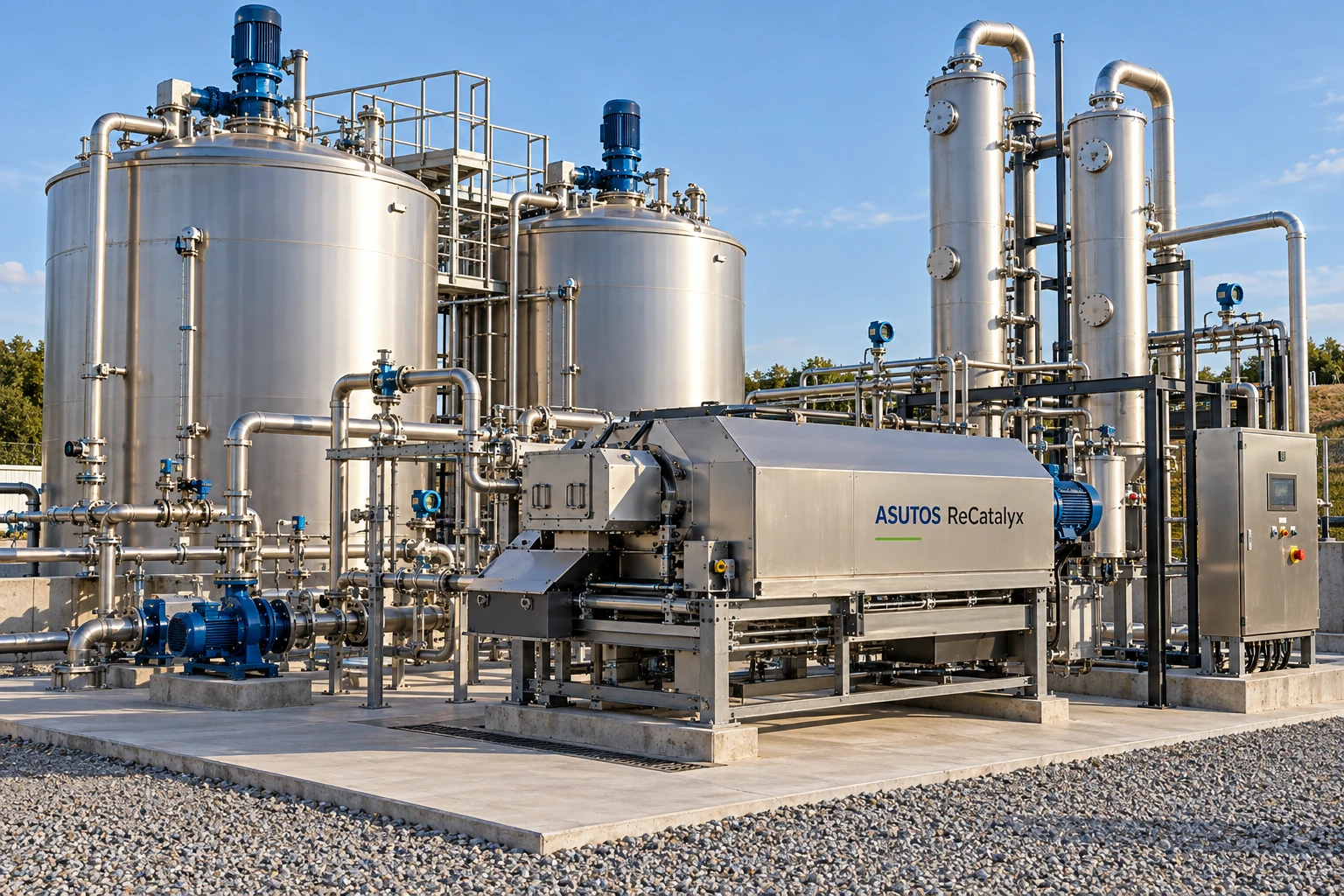
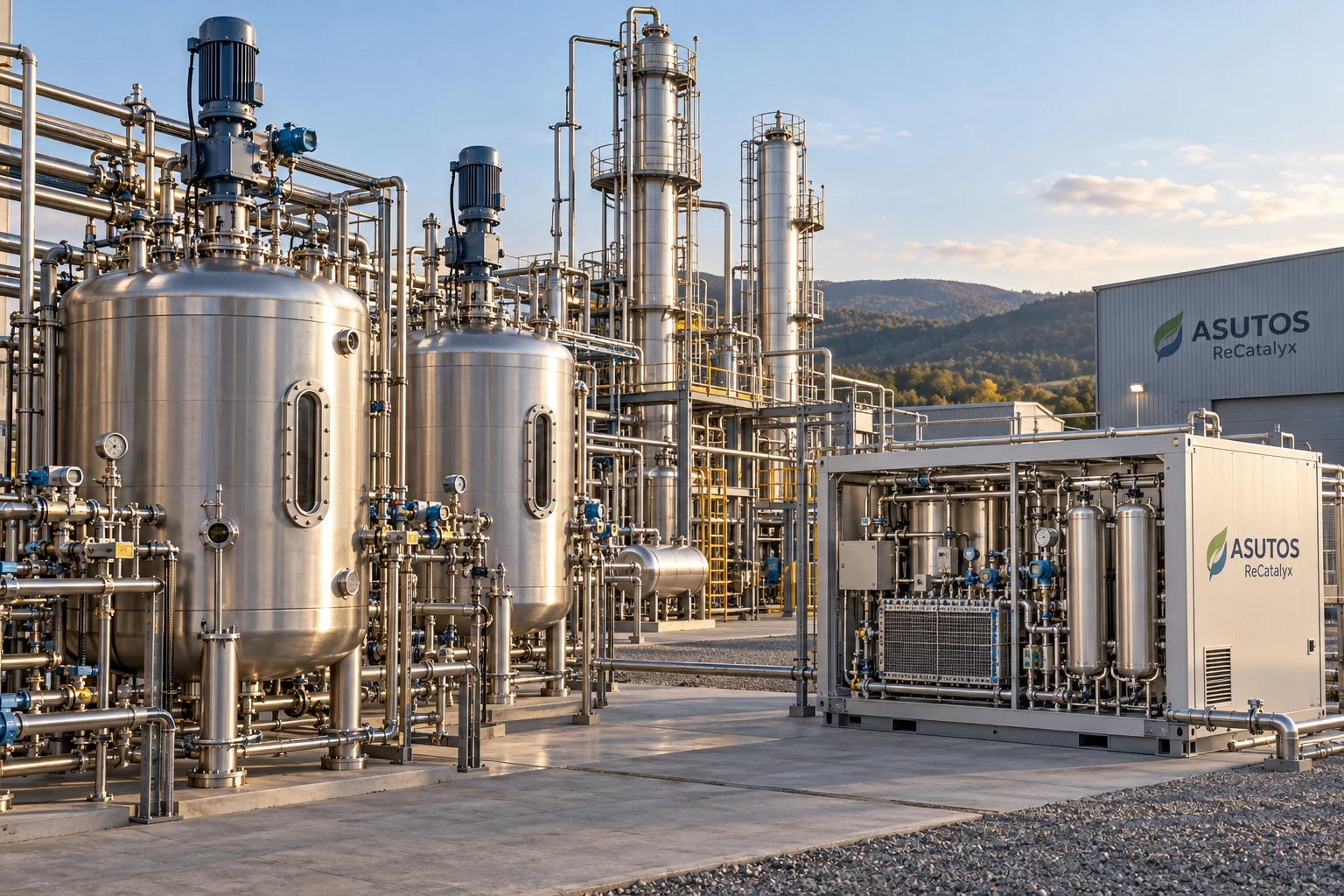
A fuel ethanol package based on an explicitly selected fermentation route. A starch or sugar route is the initial commercial offering; cellulosic residues require distinct pretreatment, hydrolysis, enzyme and demonstration scope. Distillation and dehydration produce product for fuel blending after testing and appropriate denaturing.
Product capabilities
- Feed cleaning and milling
- slurry and cooking equipment for starch
- saccharification
- fermentation vessels
- yeast and nutrient dosing
- distillation
Feedstock and input
Selected starch or sugar feed; separately qualified lignocellulosic residues for a cellulosic variant.
Core components
- Feed cleaning and milling
- slurry and cooking equipment for starch
- saccharification
- fermentation vessels
- yeast and nutrient dosing
- distillation
- molecular sieve dehydration
- denaturing and fuel storage
- CO2 handling
- stillage separation
- utility and effluent treatment
Process
Prepare fermentable sugars; ferment; distill and dehydrate; test, denature and release fuel; manage coproducts.
Design basis
Evaluate feed availability, fermentation inhibitors, water and thermal demand, stillage outlets and lifecycle carbon intensity.
IoT measurements
Fermentation pH and temperature, column conditions, product water and energy; link fuel batch tests.
IoT architecture
Local PLC/HMI, buffered historian and secure gateway; remote alarms and reports. Cloud loss does not stop local control. See common architecture and acceptance tests.
Future capability
Compare fermentation batches and anticipate fouling or yield deviations using reviewed data.
Typical applications
U.S. biorefineries and fuel blenders; global sugar, starch and selected residue supply chains.
Pilot validation
Validate fuel ethanol specification, fermentation stability, utilities and complete effluent and coproduct balances.
Problem and deployment scope
Renewable fuels and ethanol
How it works
- Feed cleaning and milling
- slurry and cooking equipment for starch
- saccharification
- fermentation vessels
- yeast and nutrient dosing
- distillation
Architecture
Confirm data sources, field interfaces and operating requirements during discovery. Integration compatibility is reviewed for each deployment.
Integrations
Interface availability and supported protocols require product-specific confirmation.
Deployment
Scope, installation, security, acceptance criteria and training are agreed with the project team.
Use cases
U.S. biorefineries and fuel blenders; global sugar, starch and selected residue supply chains.
Documentation
This page describes the published product concept. Validated drawings, datasheets, compatibility and deployment documentation are supplied following technical review.