ReCatalyx
ReCatalyx CarbonEthanol
Renewable fuels and ethanol
- Brand
- ReCatalyx
- Discipline
- Carbon, Resource Recovery & Waste-to-Energy
- Markets
- Environment · Industry · Resources & Waste · Water & Utilities
- Development status
- Product concept
Overview
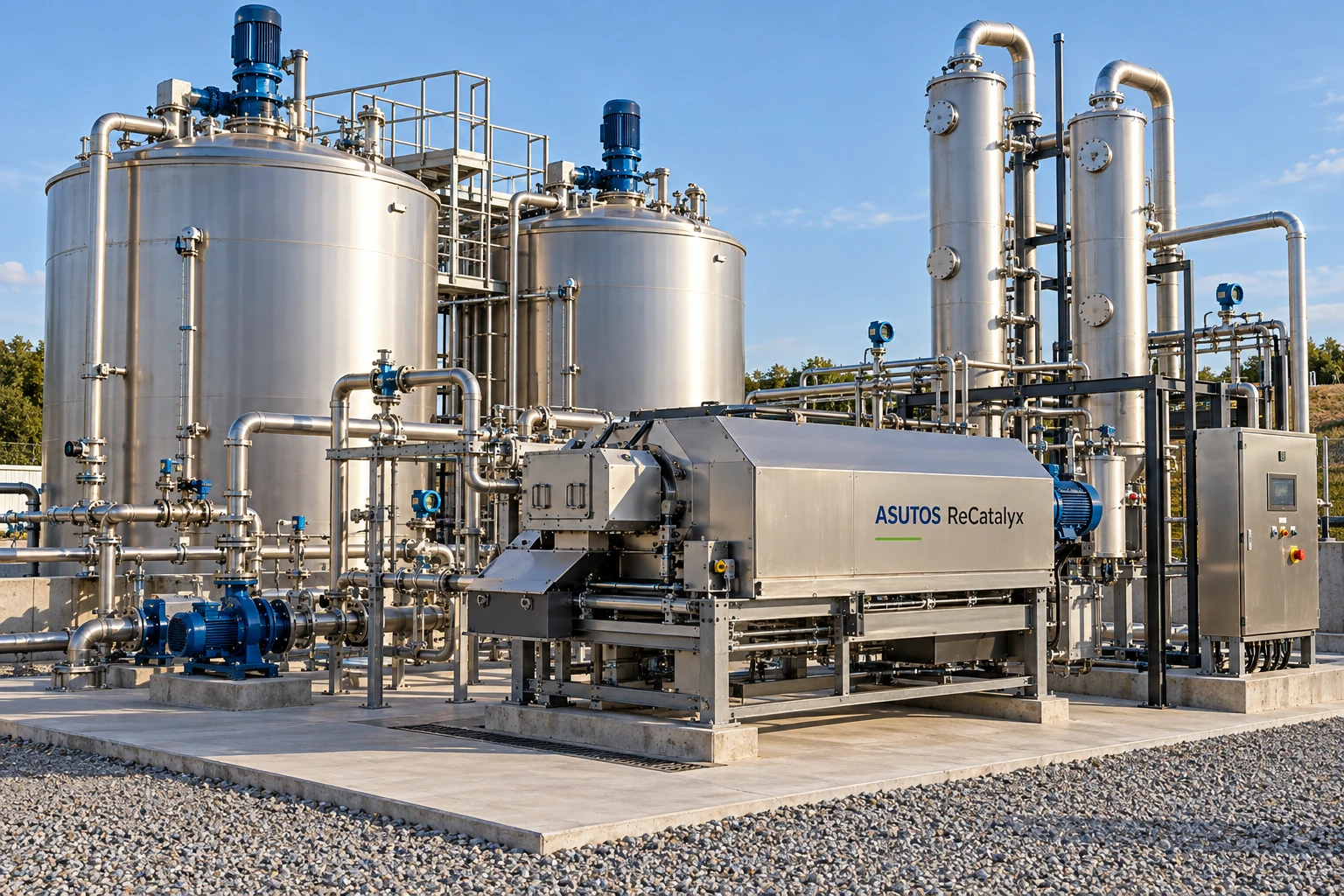
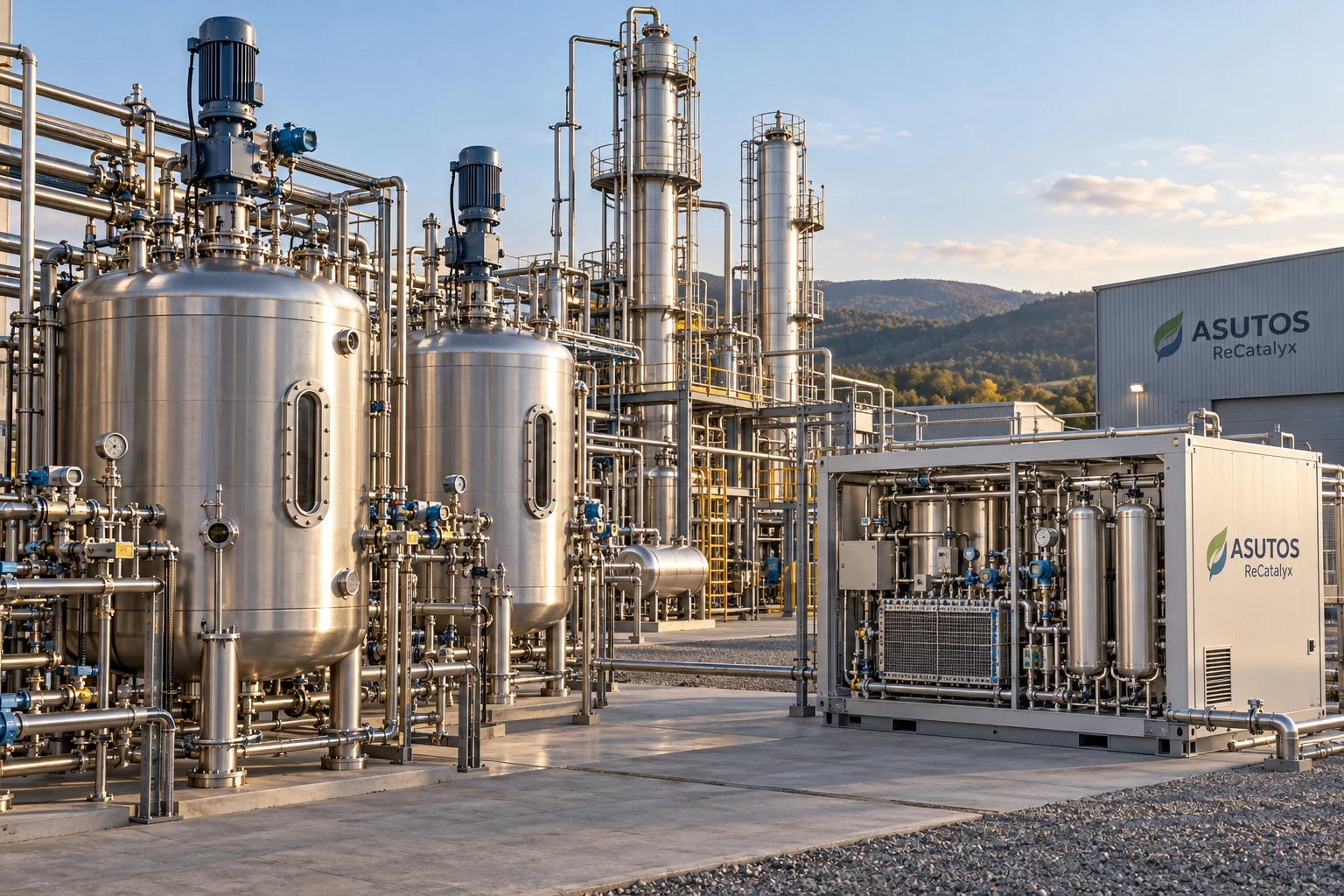
A licensed gas fermentation development package converting suitable carbon rich gas streams into ethanol using a qualified biological process. Upstream gas conditioning and downstream separation form part of the plant. Its carbon benefit depends on gas origin, utilities, displaced products and the chosen lifecycle boundary.
Product capabilities
- Gas conditioning and compression
- buffer
- gas fermentation reactor
- nutrient and culture system
- liquid separation
- ethanol recovery and distillation
Feedstock and input
Qualified industrial offgas or cleaned biomass syngas. Confirm organism compatibility and contaminants with the licensor.
Core components
- Gas conditioning and compression
- buffer
- gas fermentation reactor
- nutrient and culture system
- liquid separation
- ethanol recovery and distillation
- residual gas handling
- cooling
- instrumentation
- containment and licensor control package
Process
Test gas compatibility; condition gas; biologically convert; separate and recover ethanol; treat remaining streams.
Design basis
Secure licensed technology, gas composition history, gas availability, utilities and ethanol offtake.
IoT measurements
Feed-gas contaminants and composition, fermentation conditions, product output and carbon-source records.
IoT architecture
Local PLC/HMI, buffered historian and secure gateway; remote alarms and reports. Cloud loss does not stop local control. See common architecture and acceptance tests.
Future capability
Monitor gas and broth deviations and draft troubleshooting summaries within licensor limits.
Typical applications
U.S. industrial emission sources and biomass fuel developers; selected steel, chemical and waste resource sites worldwide.
Pilot validation
Complete gas compatibility trials, product testing, licensed acceptance and lifecycle assessment. Do not assume all waste gas is renewable.
Problem and deployment scope
Renewable fuels and ethanol
How it works
- Gas conditioning and compression
- buffer
- gas fermentation reactor
- nutrient and culture system
- liquid separation
- ethanol recovery and distillation
Architecture
Confirm data sources, field interfaces and operating requirements during discovery. Integration compatibility is reviewed for each deployment.
Integrations
Interface availability and supported protocols require product-specific confirmation.
Deployment
Scope, installation, security, acceptance criteria and training are agreed with the project team.
Use cases
U.S. industrial emission sources and biomass fuel developers; selected steel, chemical and waste resource sites worldwide.
Documentation
This page describes the published product concept. Validated drawings, datasheets, compatibility and deployment documentation are supplied following technical review.