ReCatalyx
ReCatalyx BioDiesel
Renewable fuels and ethanol
- Brand
- ReCatalyx
- Discipline
- Carbon, Resource Recovery & Waste-to-Energy
- Markets
- Environment · Industry · Resources & Waste · Water & Utilities
- Development status
- Product concept
Overview
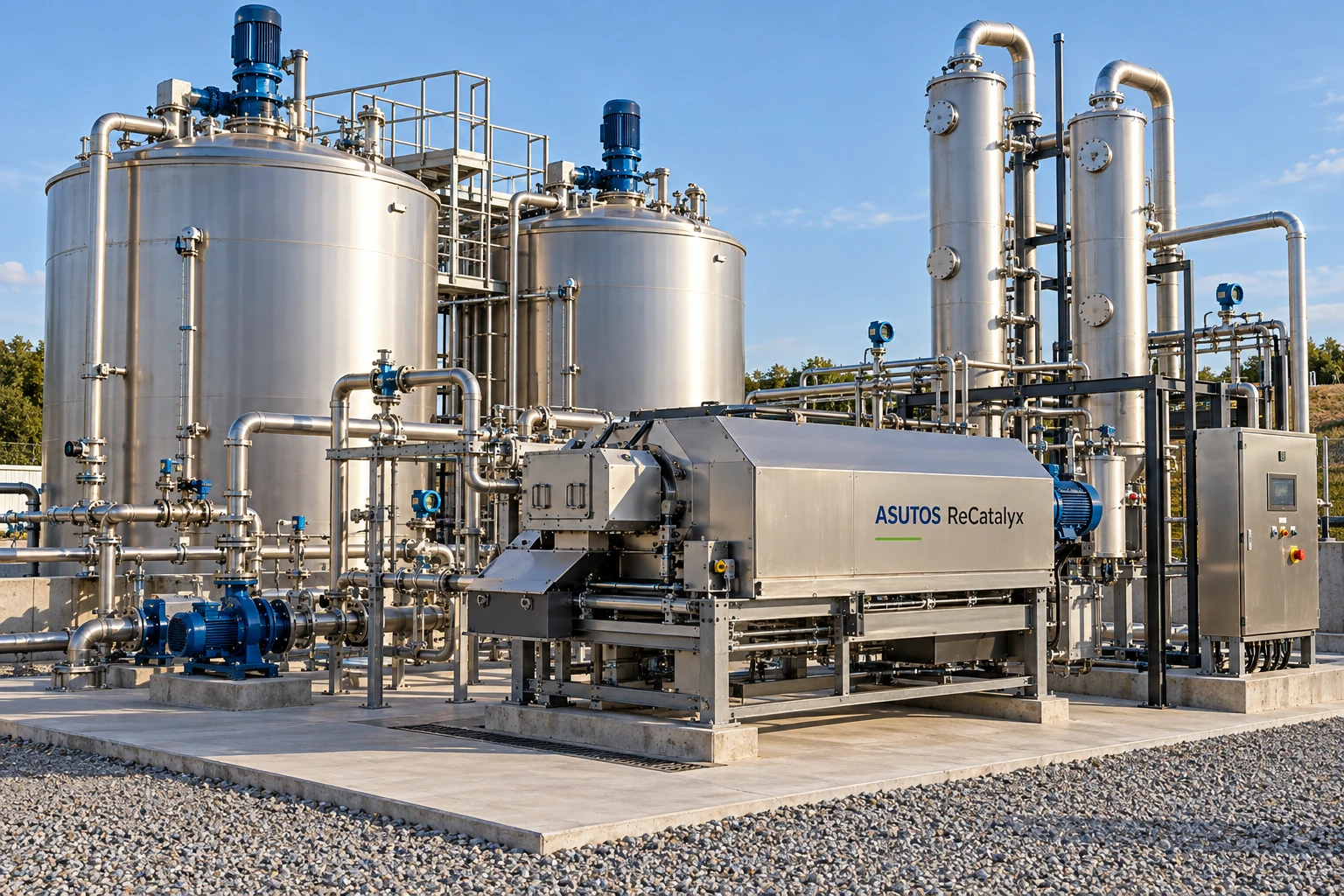
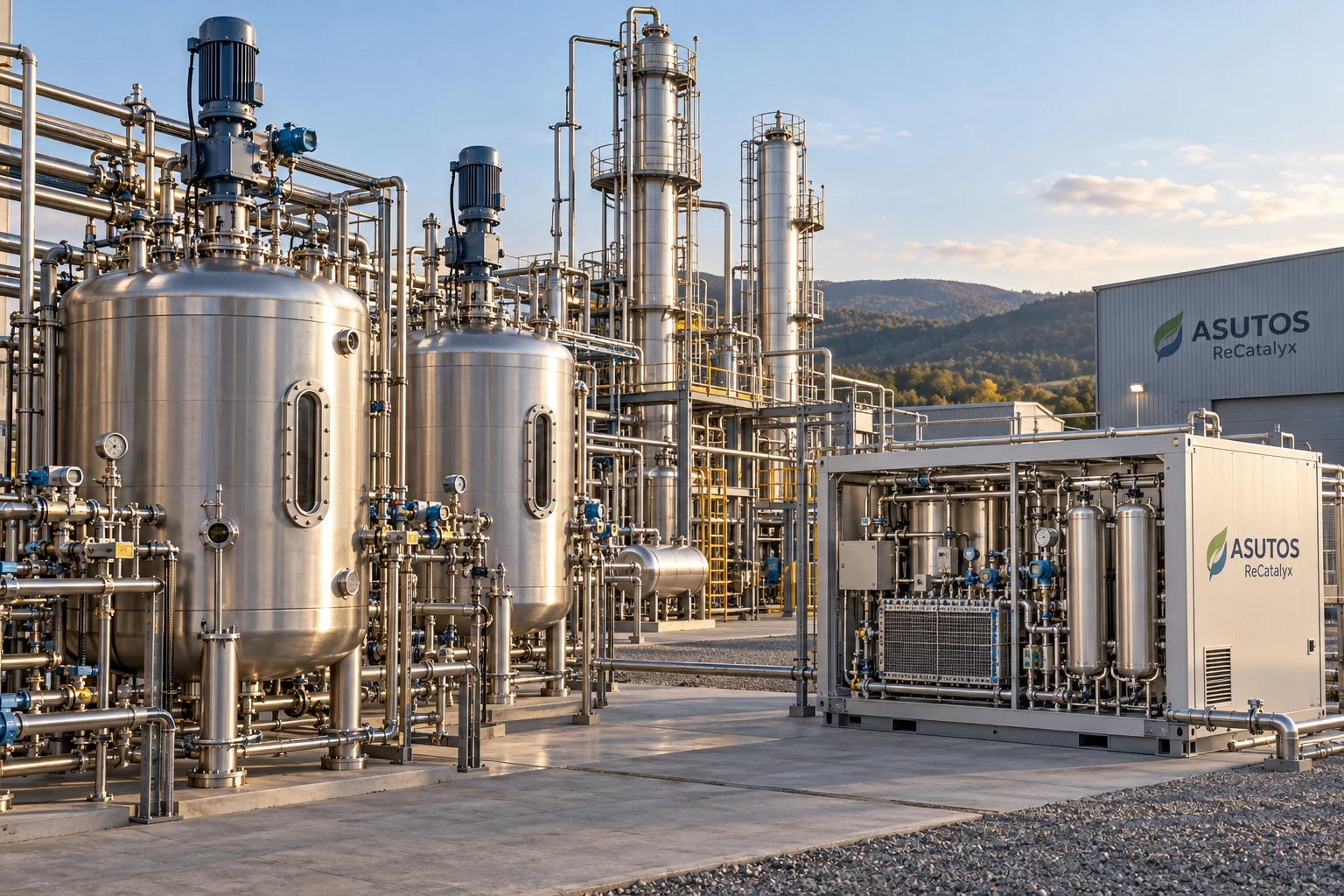
A biodiesel process package using qualified oils and fats to produce fatty acid methyl ester blendstock. It joins feed pretreatment, reaction, separation and fuel quality assurance. Renewable diesel is chemically different and would require a separate licensed hydroprocessing package; the two fuels are not interchangeable product names.
Product capabilities
- Feed storage and filtration
- dewatering
- pretreatment reactor where needed
- metered alcohol and catalyst dosing
- reaction vessels
- separator or centrifuge
Feedstock and input
Qualified used cooking oil, fats or vegetable oils. Test free fatty acids, moisture, phosphorus and contaminants.
Core components
- Feed storage and filtration
- dewatering
- pretreatment reactor where needed
- metered alcohol and catalyst dosing
- reaction vessels
- separator or centrifuge
- alcohol recovery
- fuel polishing
- glycerol storage
- bunded tanks
- laboratory
- fire and process controls
Process
Pretreat feed; react and separate; recover alcohol; polish product; test and release approved batches.
Design basis
Secure feed supply and offtake. Confirm reaction route, byproduct quality, water use, residual chemicals and local blending constraints.
IoT measurements
Feed quality, reagent dosing, reactor conditions and product laboratory results; trace fuel batches.
IoT architecture
Local PLC/HMI, buffered historian and secure gateway; remote alarms and reports. Cloud loss does not stop local control. See common architecture and acceptance tests.
Future capability
Detect feed and batch anomalies and organize laboratory evidence; staff authorize fuel release.
Typical applications
U.S. fuel producers, fleet fuel blenders and oil recovery businesses; global markets with qualified feedstocks and fuel outlets.
Pilot validation
Demonstrate applicable B100 quality, batch traceability, solvent containment and a verified material balance.
Problem and deployment scope
Renewable fuels and ethanol
How it works
- Feed storage and filtration
- dewatering
- pretreatment reactor where needed
- metered alcohol and catalyst dosing
- reaction vessels
- separator or centrifuge
Architecture
Confirm data sources, field interfaces and operating requirements during discovery. Integration compatibility is reviewed for each deployment.
Integrations
Interface availability and supported protocols require product-specific confirmation.
Deployment
Scope, installation, security, acceptance criteria and training are agreed with the project team.
Use cases
U.S. fuel producers, fleet fuel blenders and oil recovery businesses; global markets with qualified feedstocks and fuel outlets.
Documentation
This page describes the published product concept. Validated drawings, datasheets, compatibility and deployment documentation are supplied following technical review.